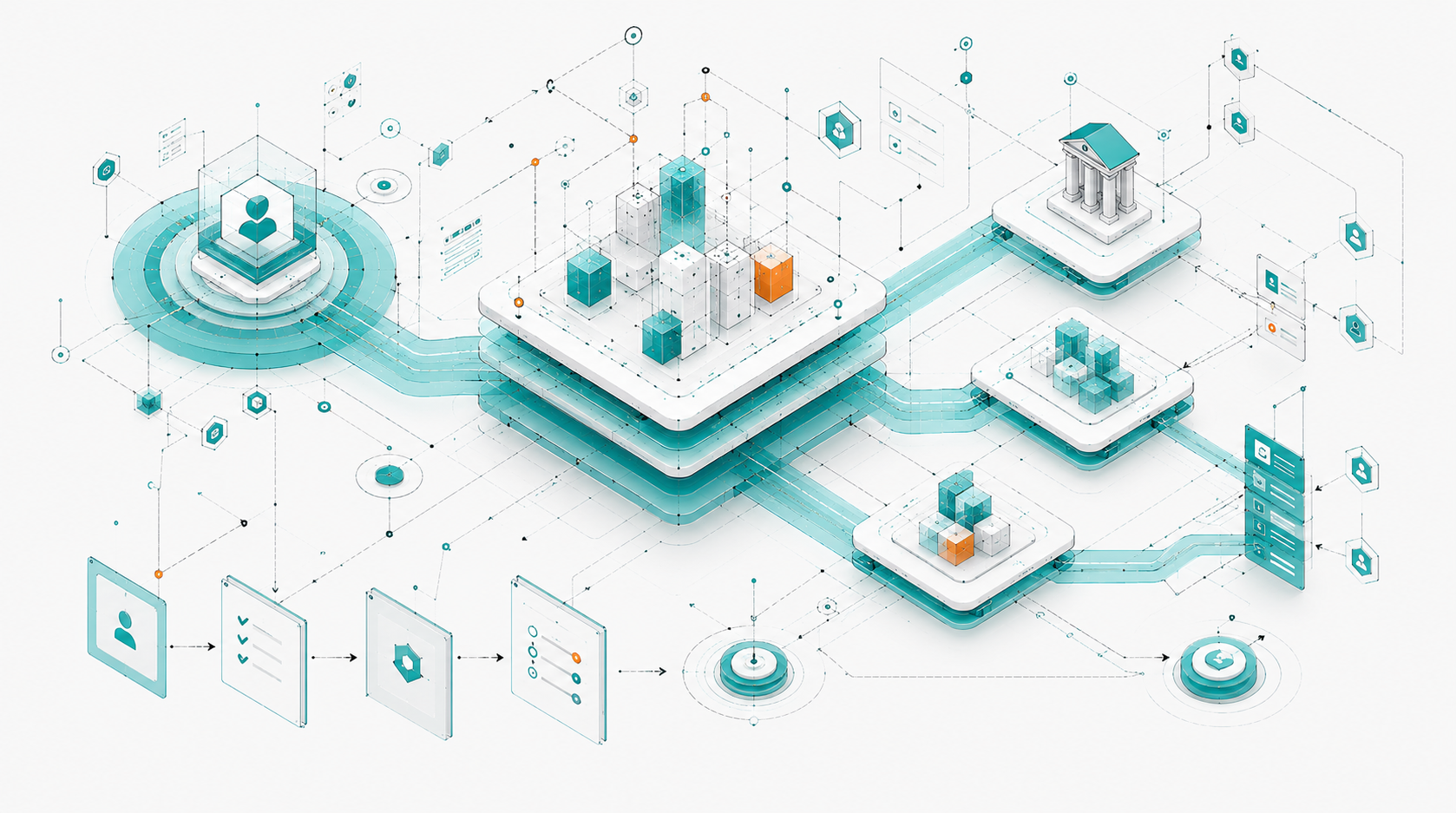
Whitelisting parameters create the perimeter around that identity layer. Approved participants can be constrained by IP allow lists, VPN routes, certificate-based connectivity, and authenticated institutional environments. This is especially important for trading desks where access should be tied to firm-approved systems rather than uncontrolled endpoints. OMeT’s broader infrastructure posture also emphasizes exchange-grade technology, disaster recovery, access controls, and data confidentiality, with physical data-center controls such as restricted access, multifactor authentication, biometric scans, key cards, security personnel, redundant power, and redundant network connectivity.
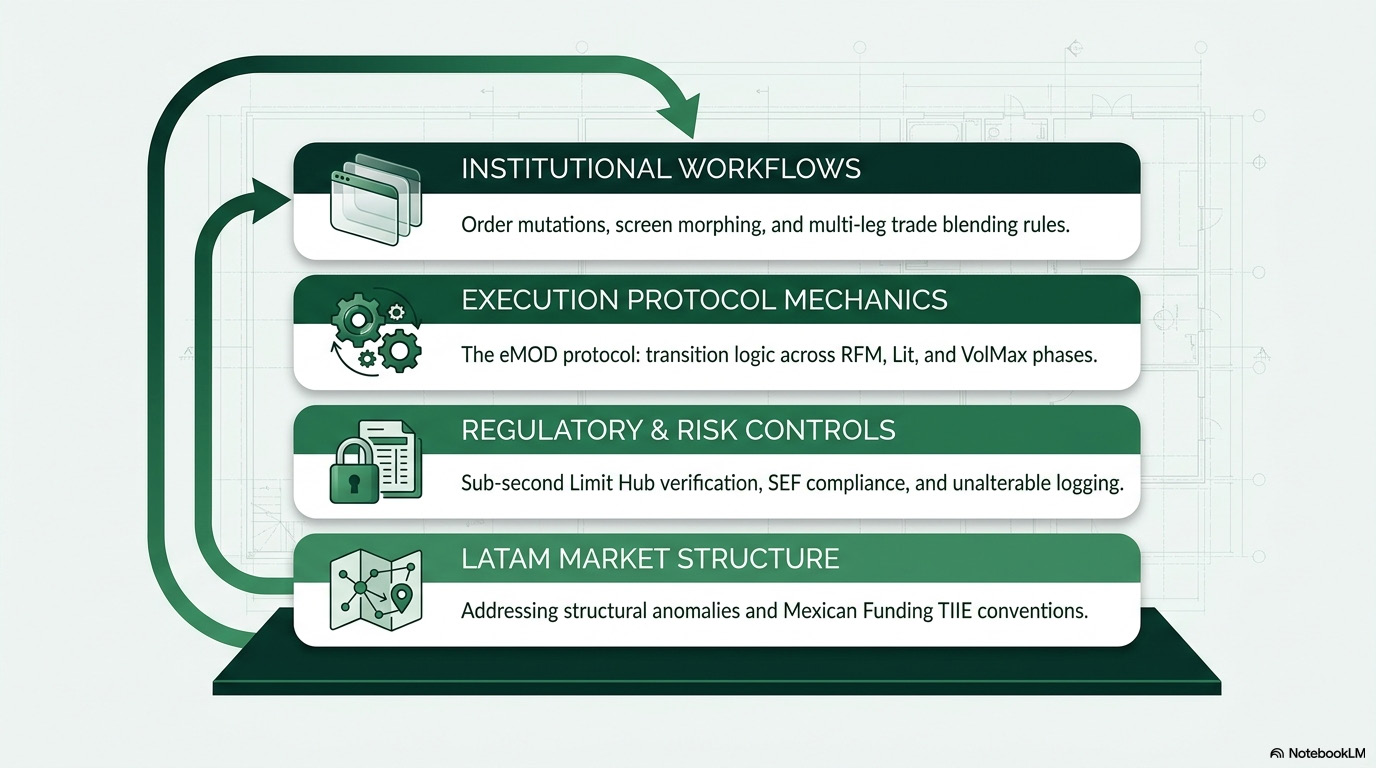
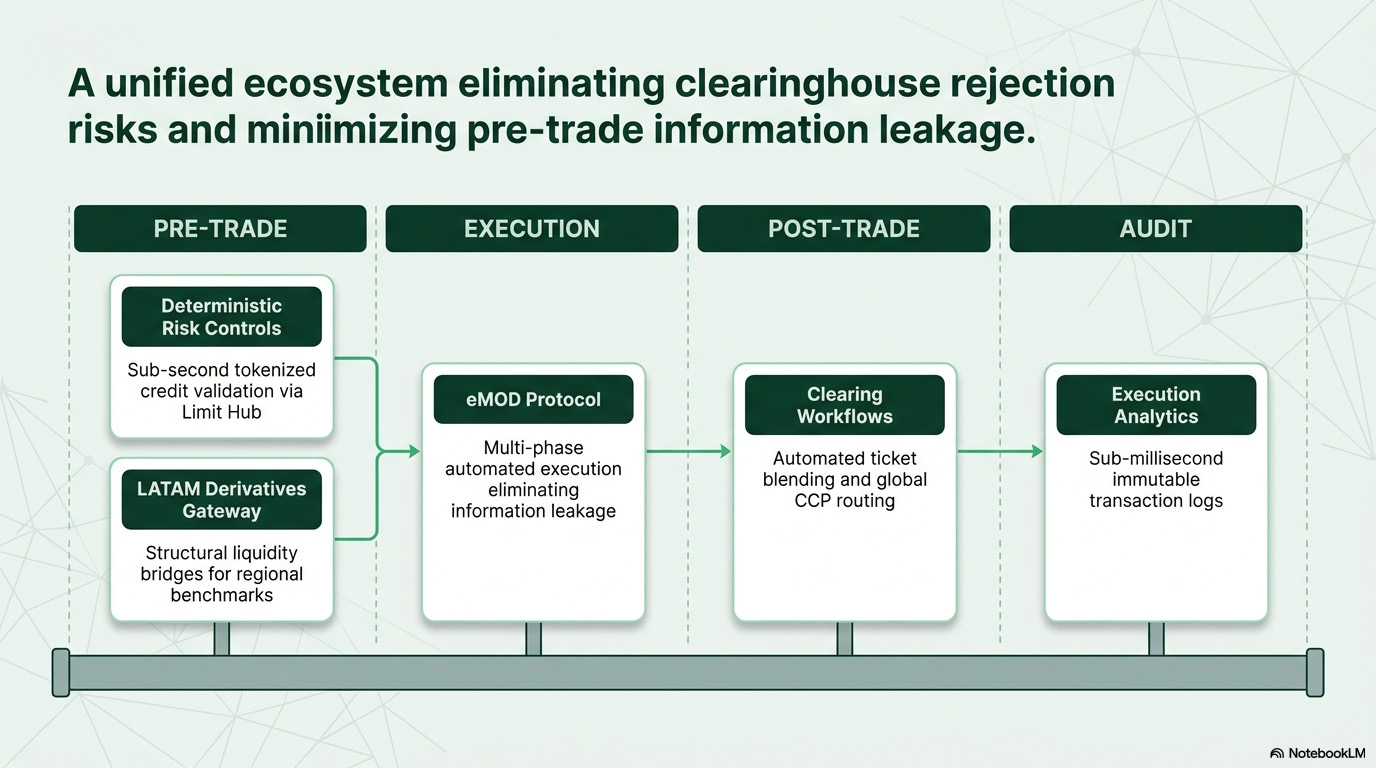
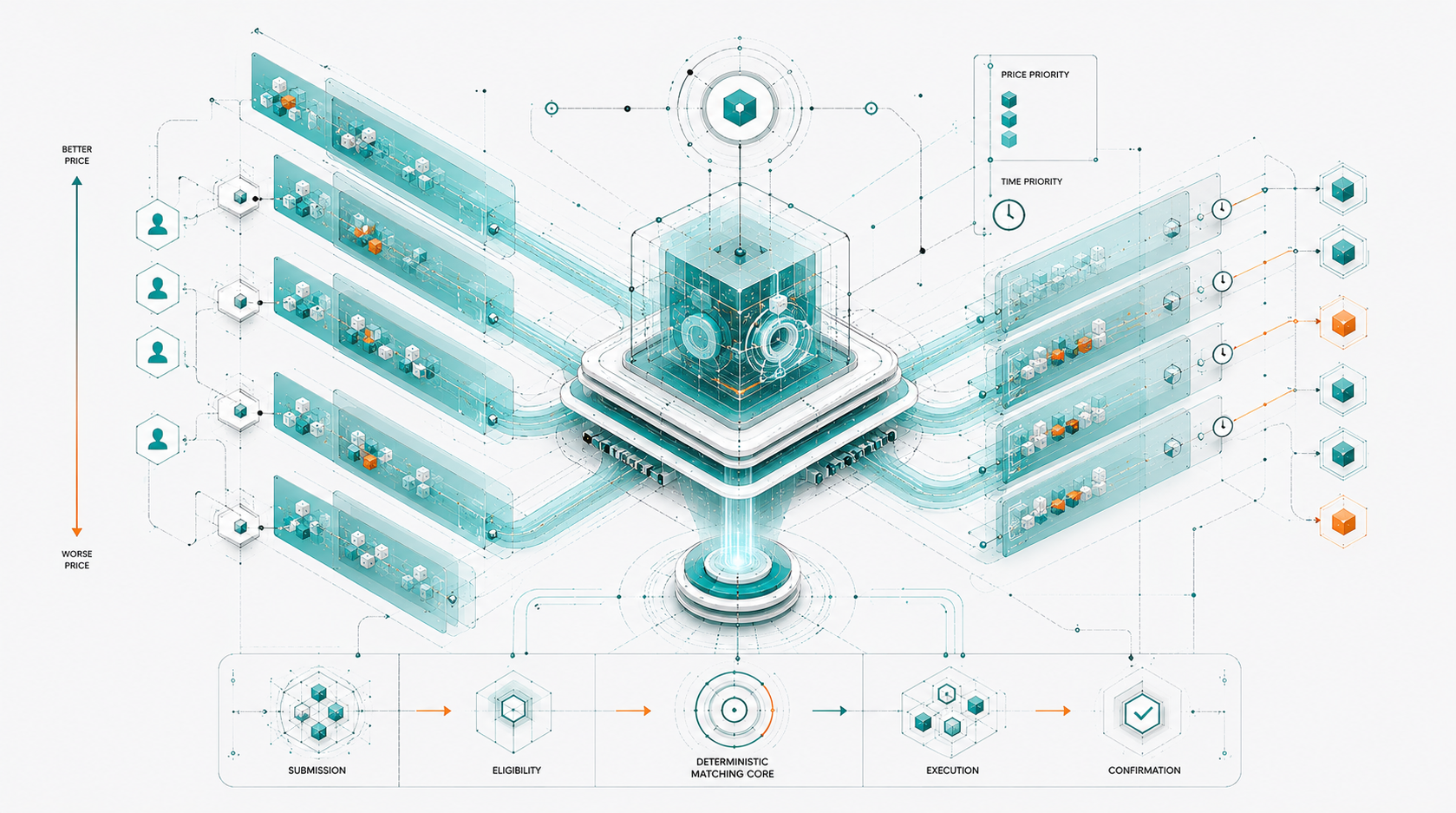
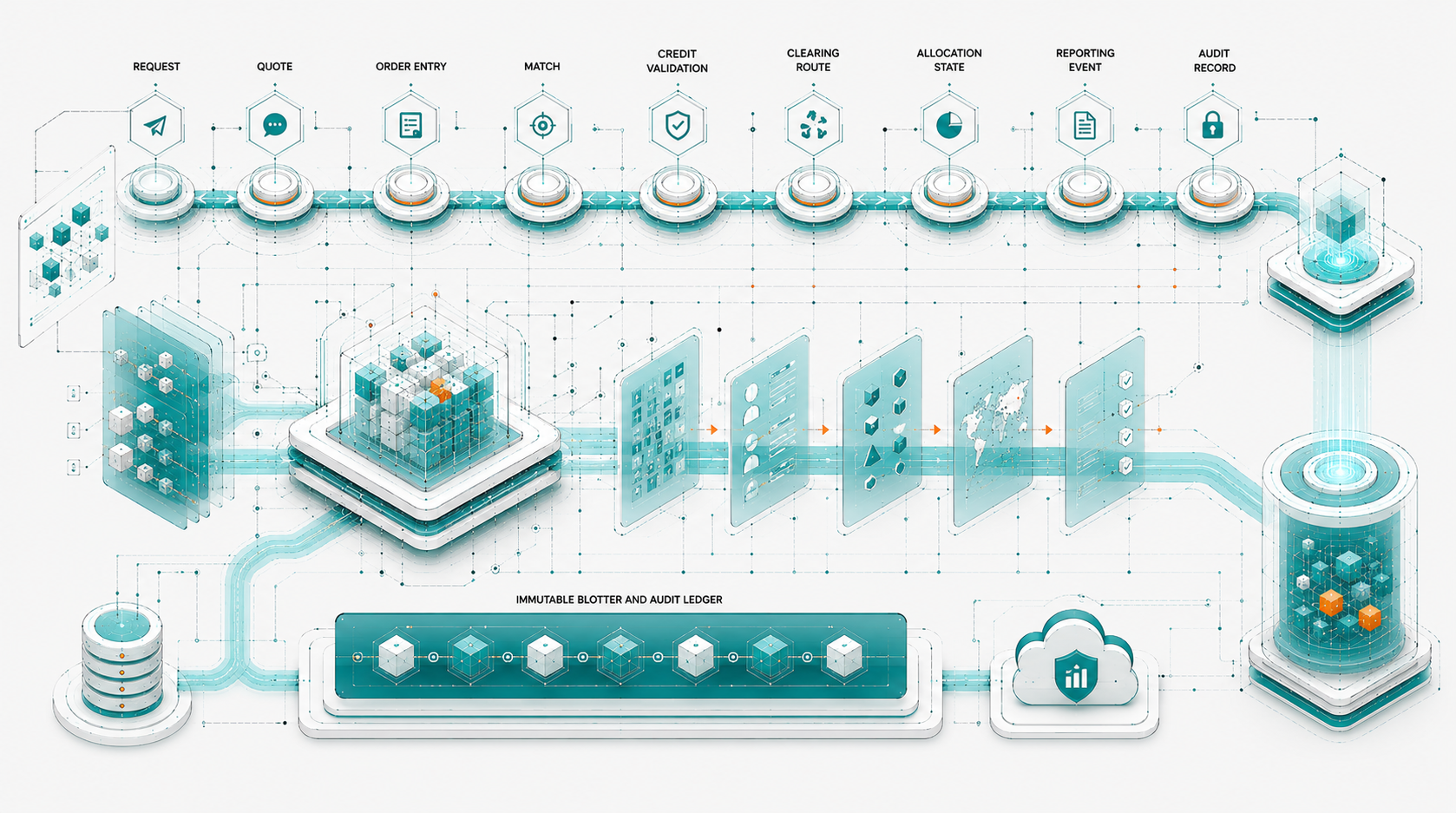
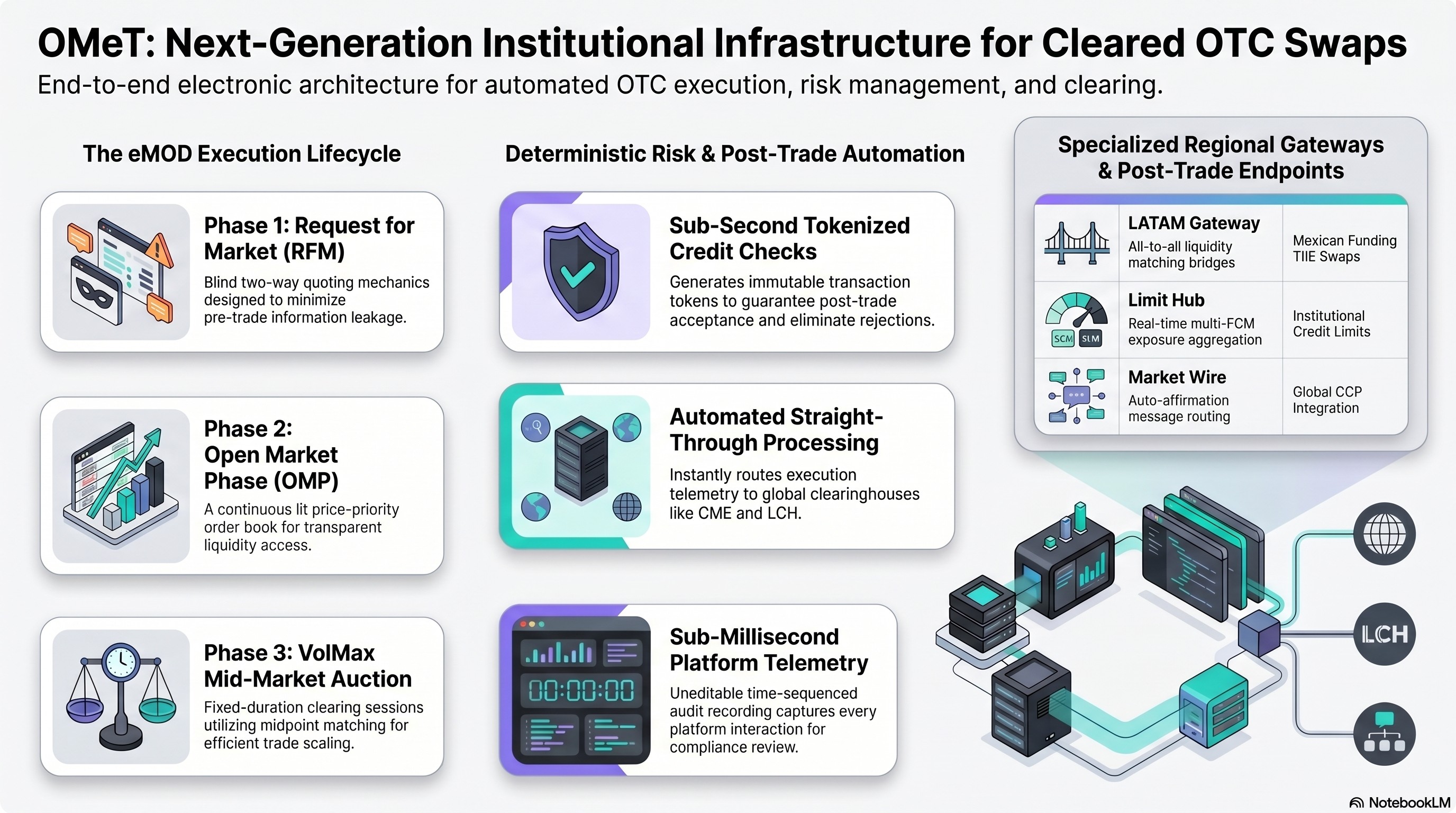
Role-based permissions govern what each authenticated user can see and do once inside the environment. A trader may need order-entry permissions, a sales or coverage user may need monitored visibility, a compliance officer may need audit and surveillance access, and an operations user may need clearing, affirmation, or reconciliation views. This model aligns with OMeT’s controlled workflow architecture: execution, allocation, post-trade workflow, and market intelligence operate in one environment, but not every user should receive the same view or action rights. Internal materials describe OMeT as a deterministic execution ecosystem for cleared OTC markets supporting those workflows in one institutional environment.
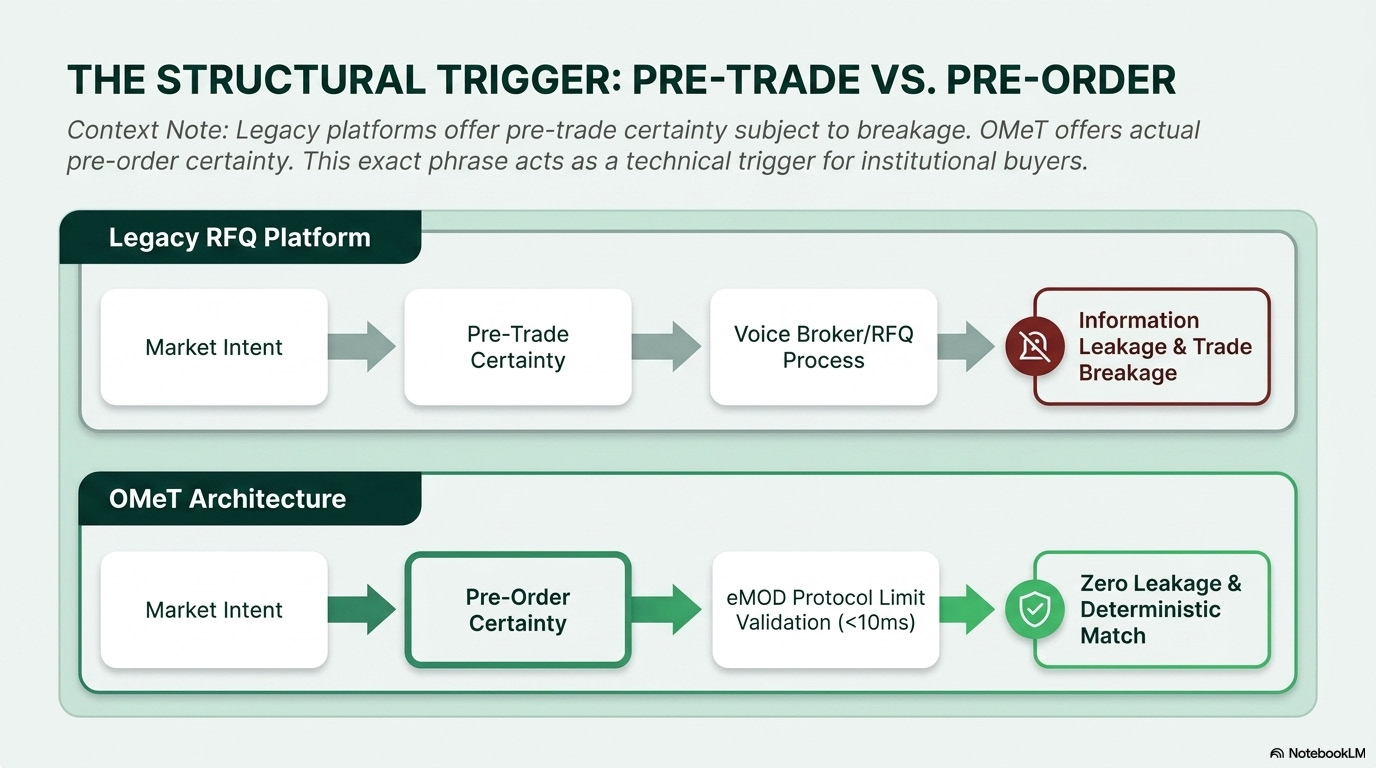
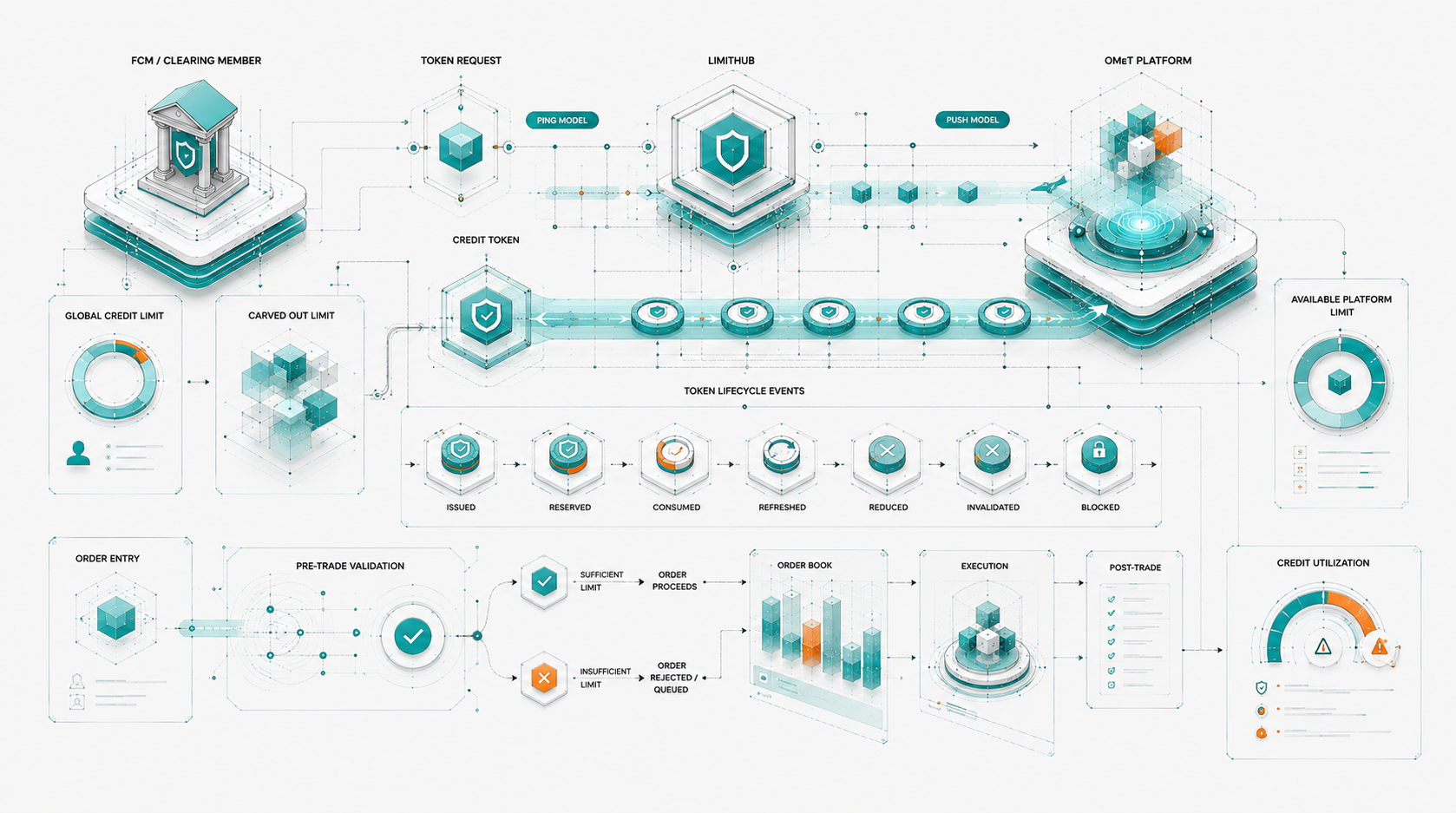
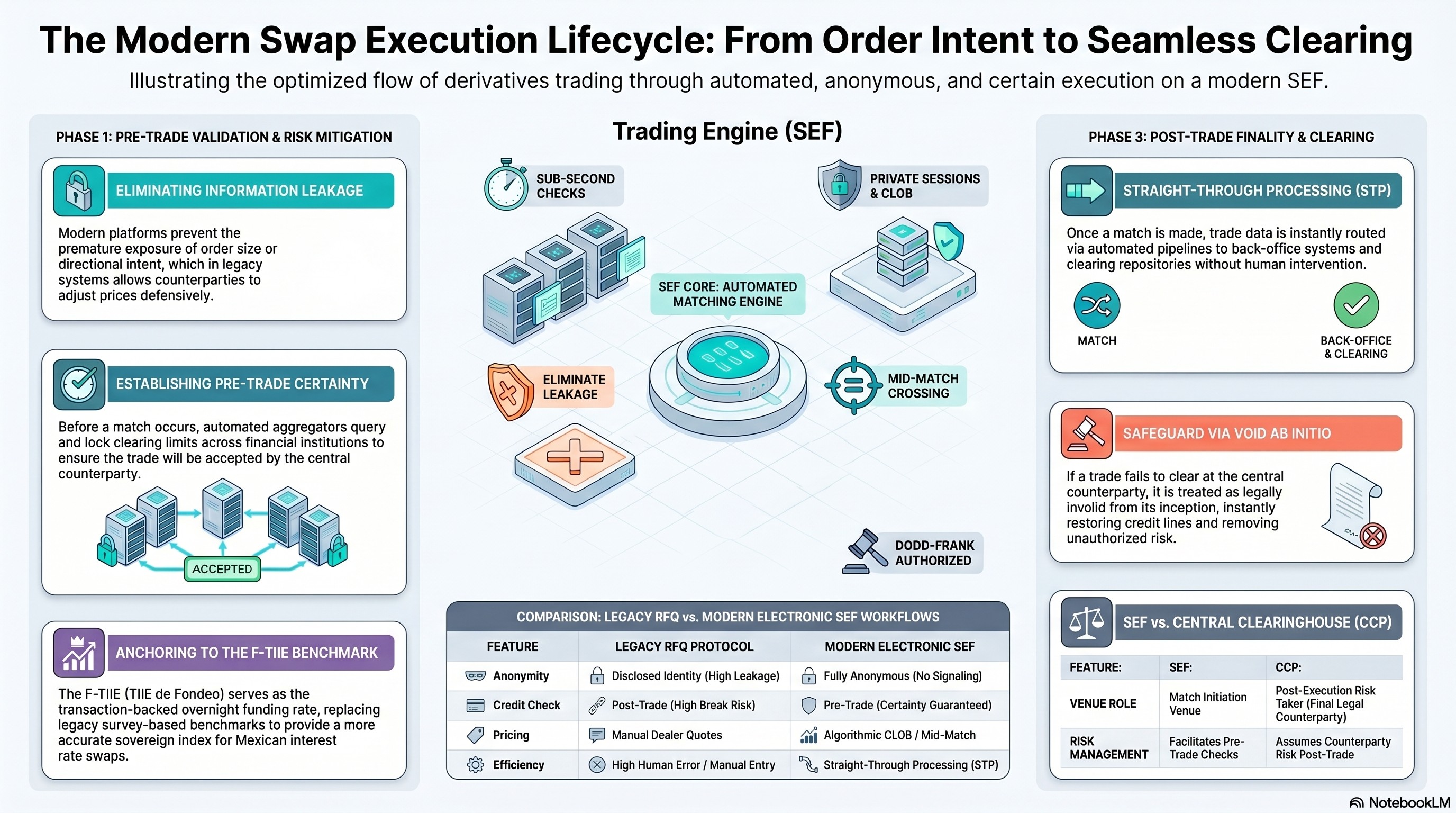
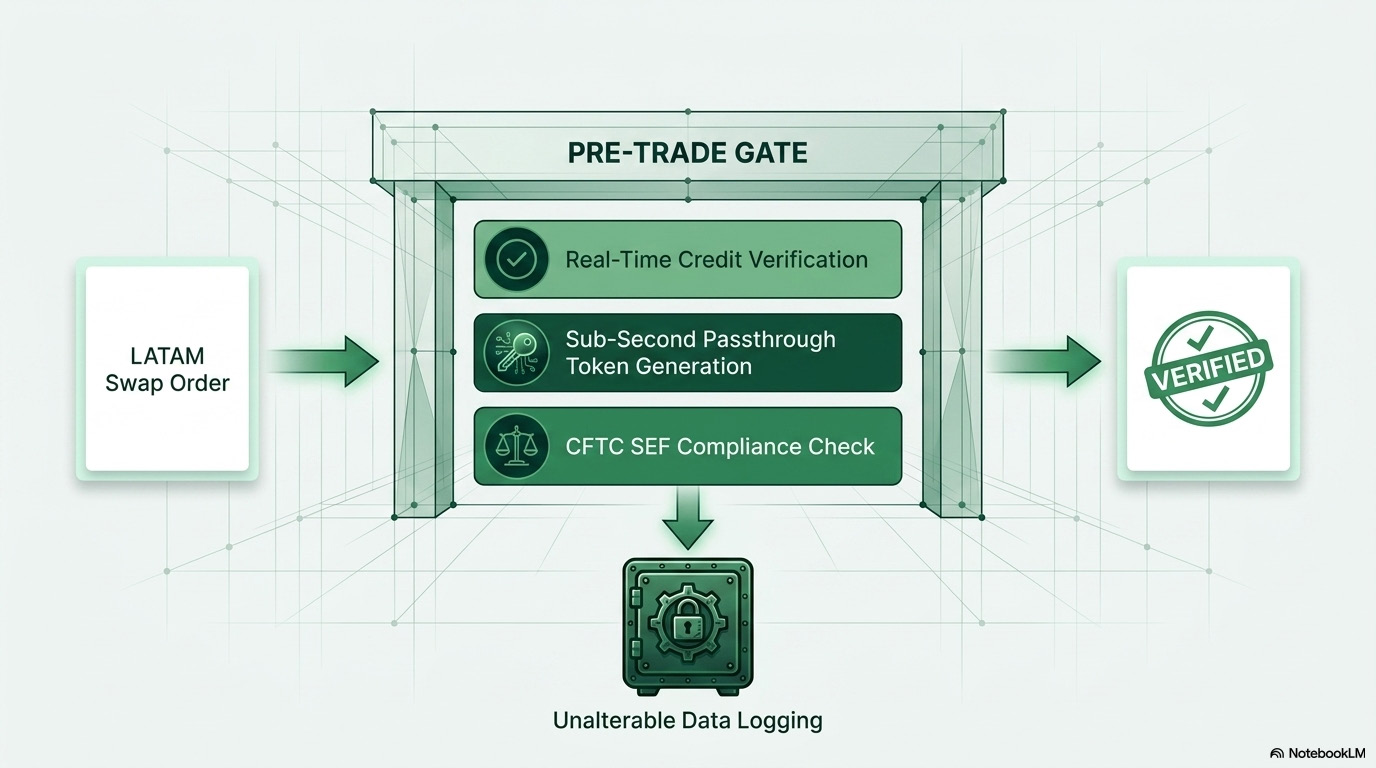
Cryptographic login tokens and entitlement checks complete the framework by making access stateful and revocable. A login token can represent an authenticated user session, while separate workflow tokens or certifications can confirm whether the user has sufficient permissions, limits, or eligibility to take a specific action. OMeT’s limit-management design already reflects this principle in the trading workflow: LimitHub can provide a “use it or lose it” limit token for a trade, and the platform displays certification when sufficient limits exist or rejects activity when limits are exceeded. The same control logic applies to identity: access should be verified continuously, scoped narrowly, and recorded as part of the platform’s audit-ready operating model.