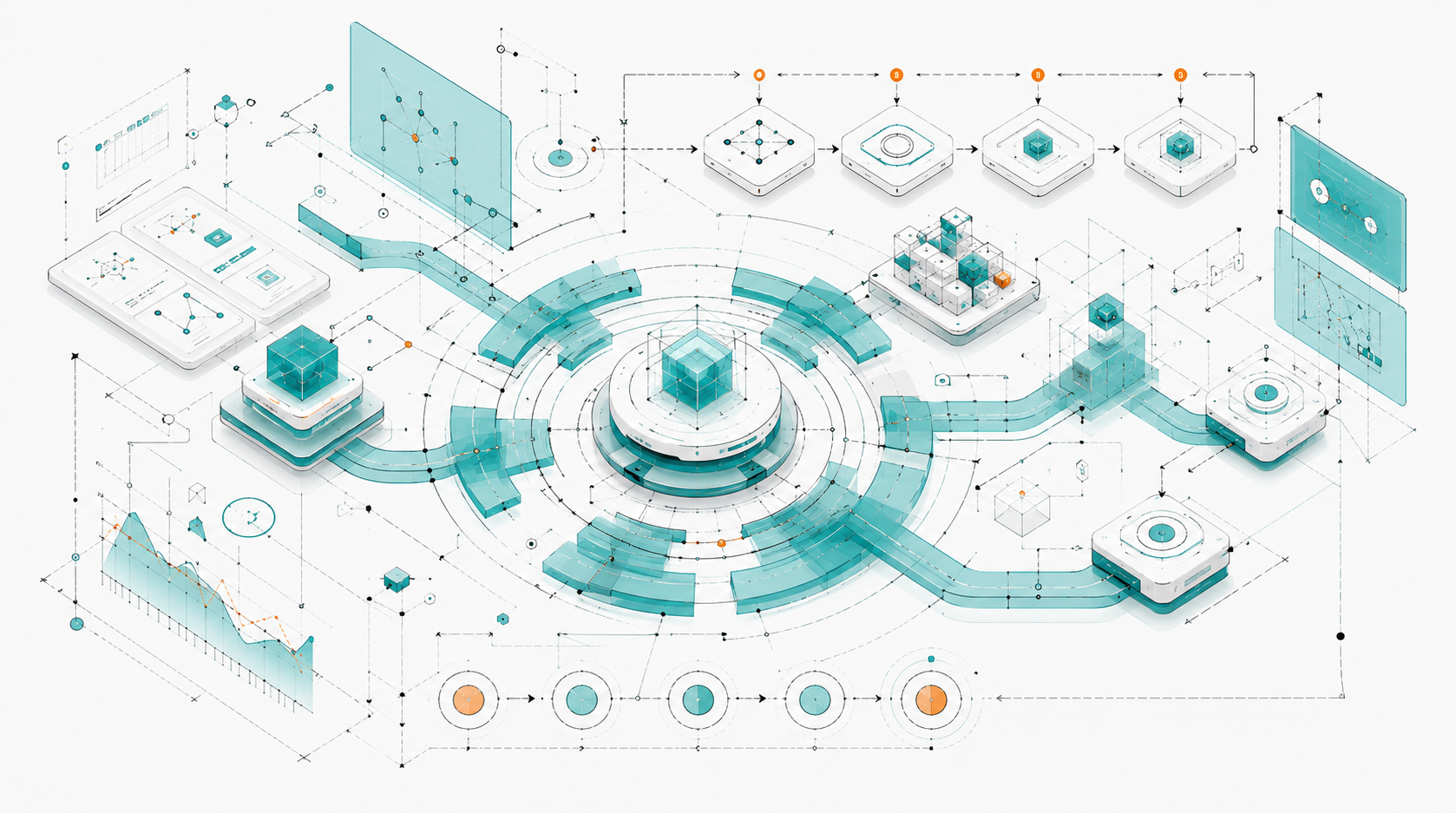
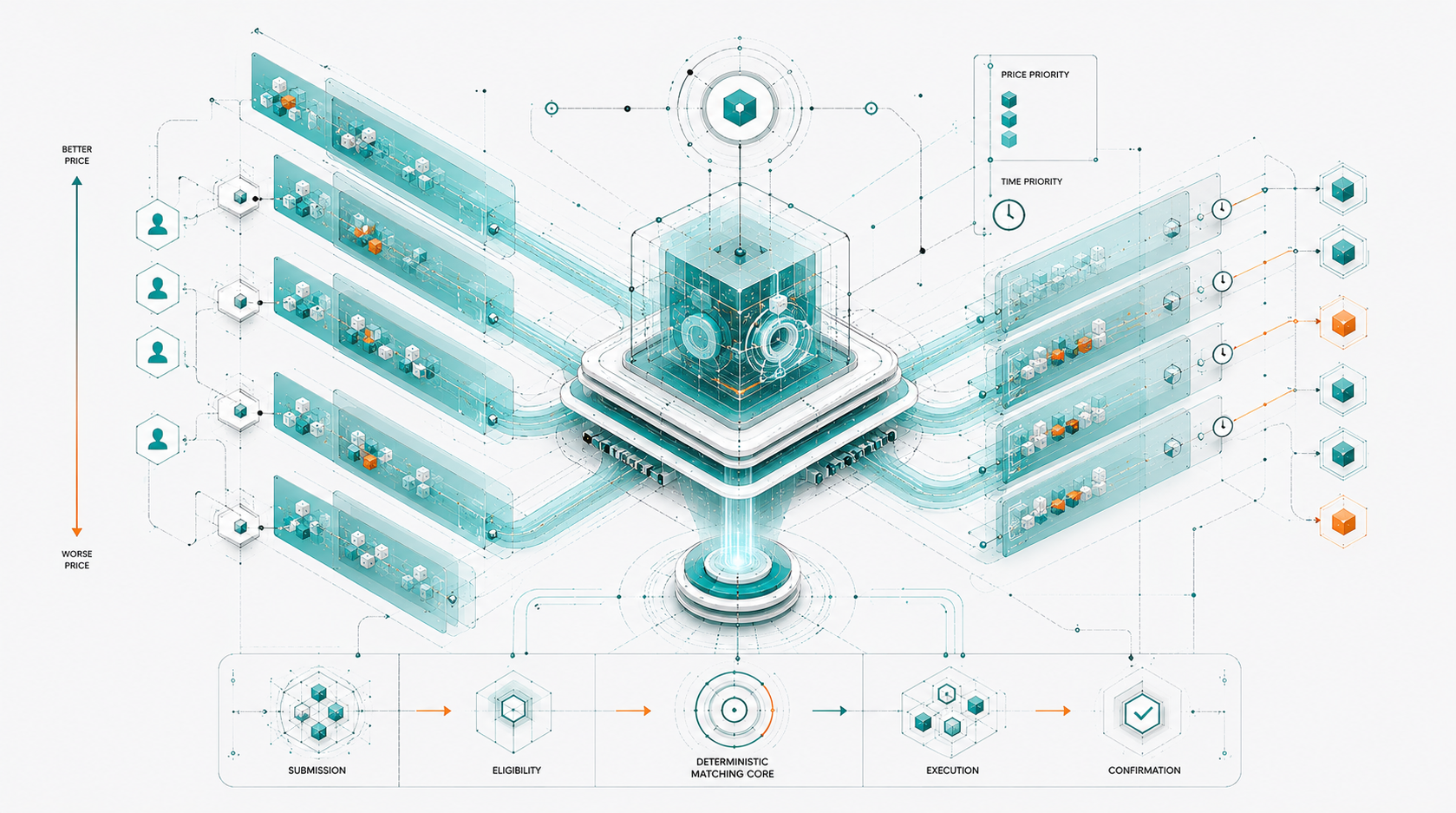
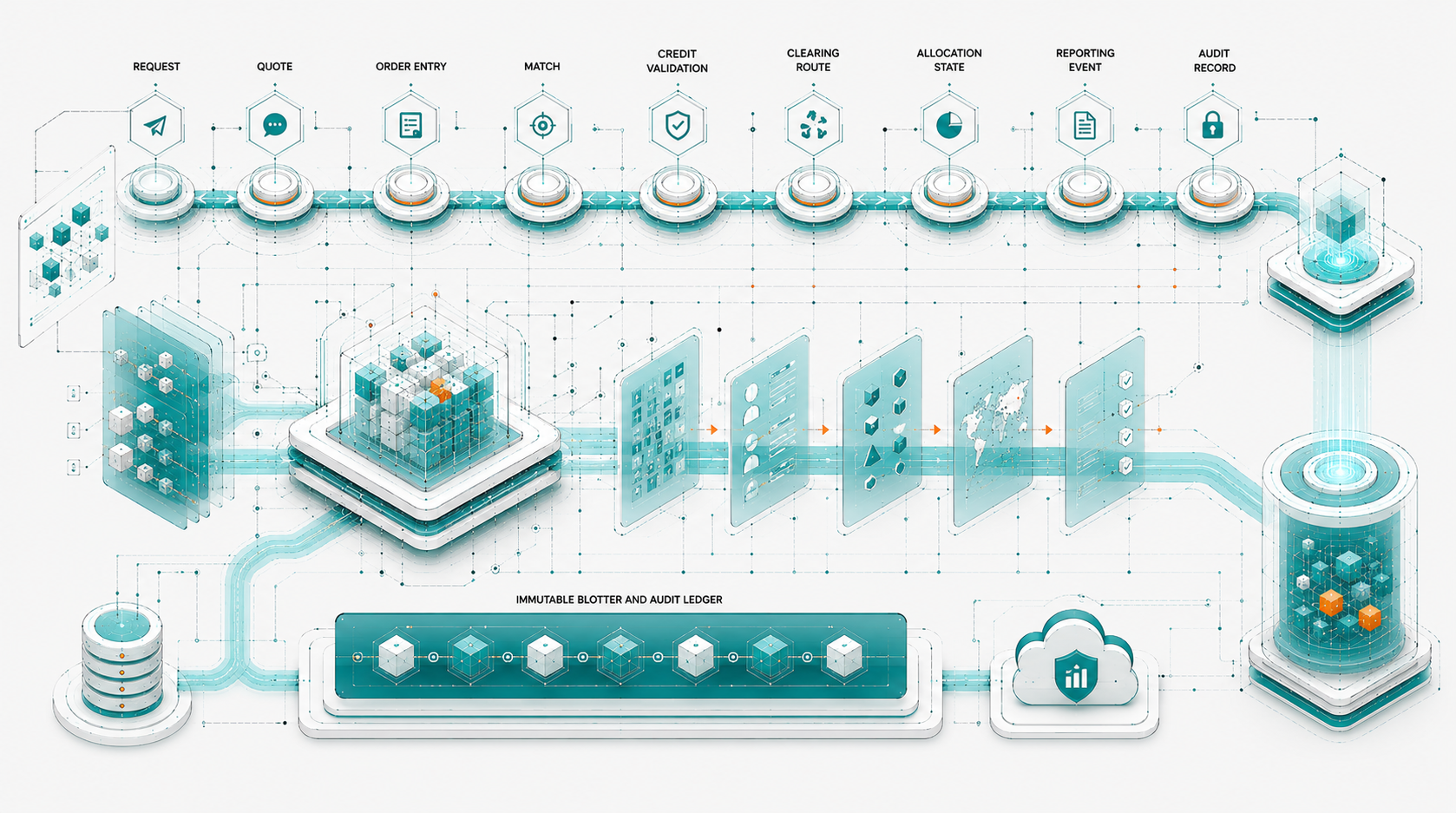
OMeT data blotters are designed as operational control views, not static trade lists. The core structure separates the Order Blotter, Trade Blotter, and Waterfall so users can monitor resting interest, completed executions, and chronological workflow events through different lenses. Internal platform materials show these blotter layers as central interface components, with the Waterfall exposing filtered views across order, trade, and workflow activity.
Structural filtering logic determines which records matter to each user at a given moment. A trader may filter by tenor, phase, market session, owner, action, or trade status; a compliance user may filter by time, participant, event type, or exception state; an operations user may focus on clearing route, affirmation state, or reconciliation breaks. The Waterfall view is especially important because it records execution activity as a time-sequenced event trail, including fields such as time, tenor, phase, owner, details, action, and market session.
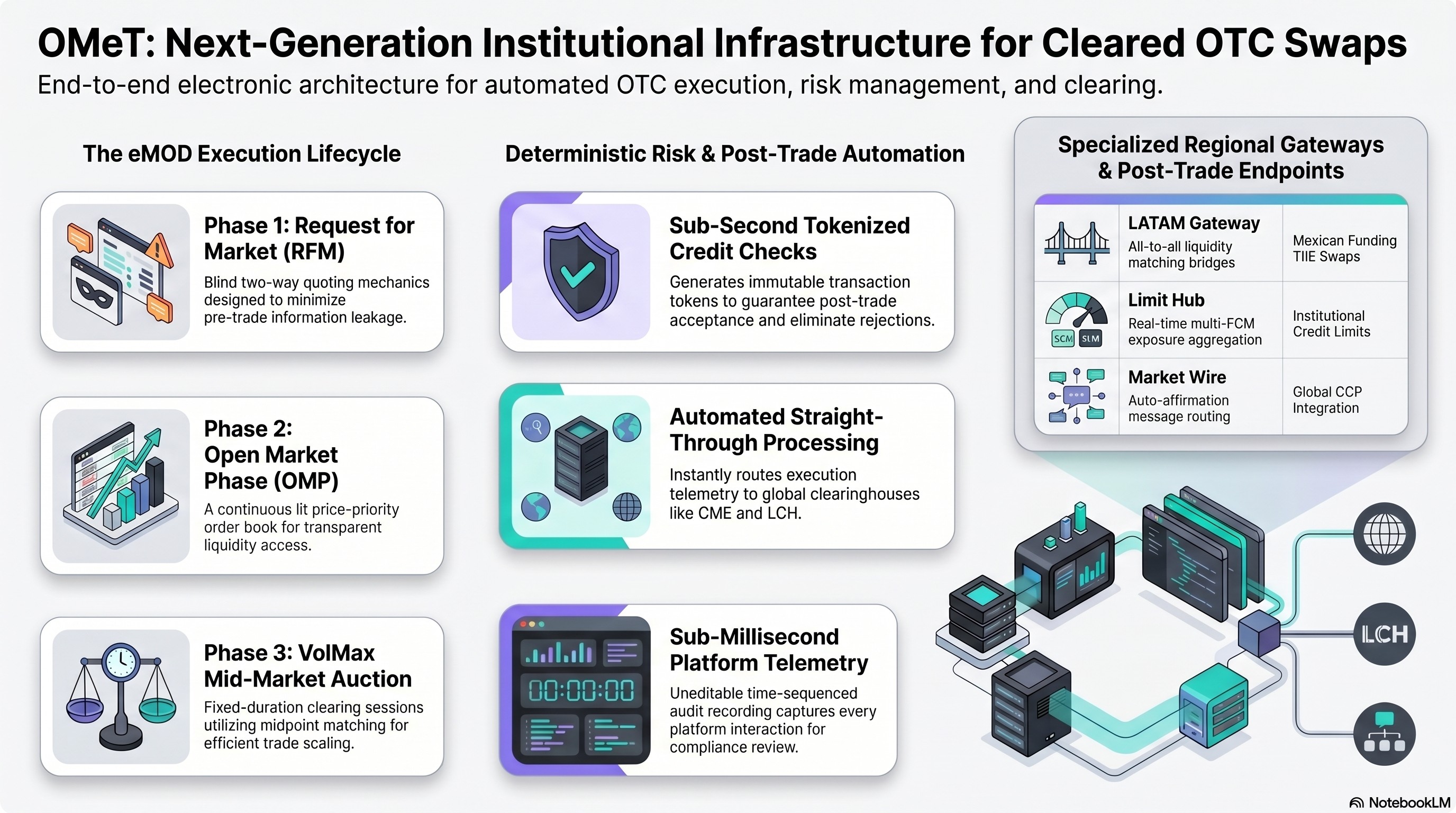
Custom views allow the same underlying transaction data to support different institutional roles. A front-office trader needs a fast view of live orders, fills, residual balances, and actionable market events. Middle office needs grouped trades, allocations, clearing statuses, and exception indicators. Compliance needs immutable event history and audit-ready records. OMeT’s broader platform positioning supports this role-specific design because it connects execution, allocation, post-trade workflow, and market intelligence in one deterministic environment.
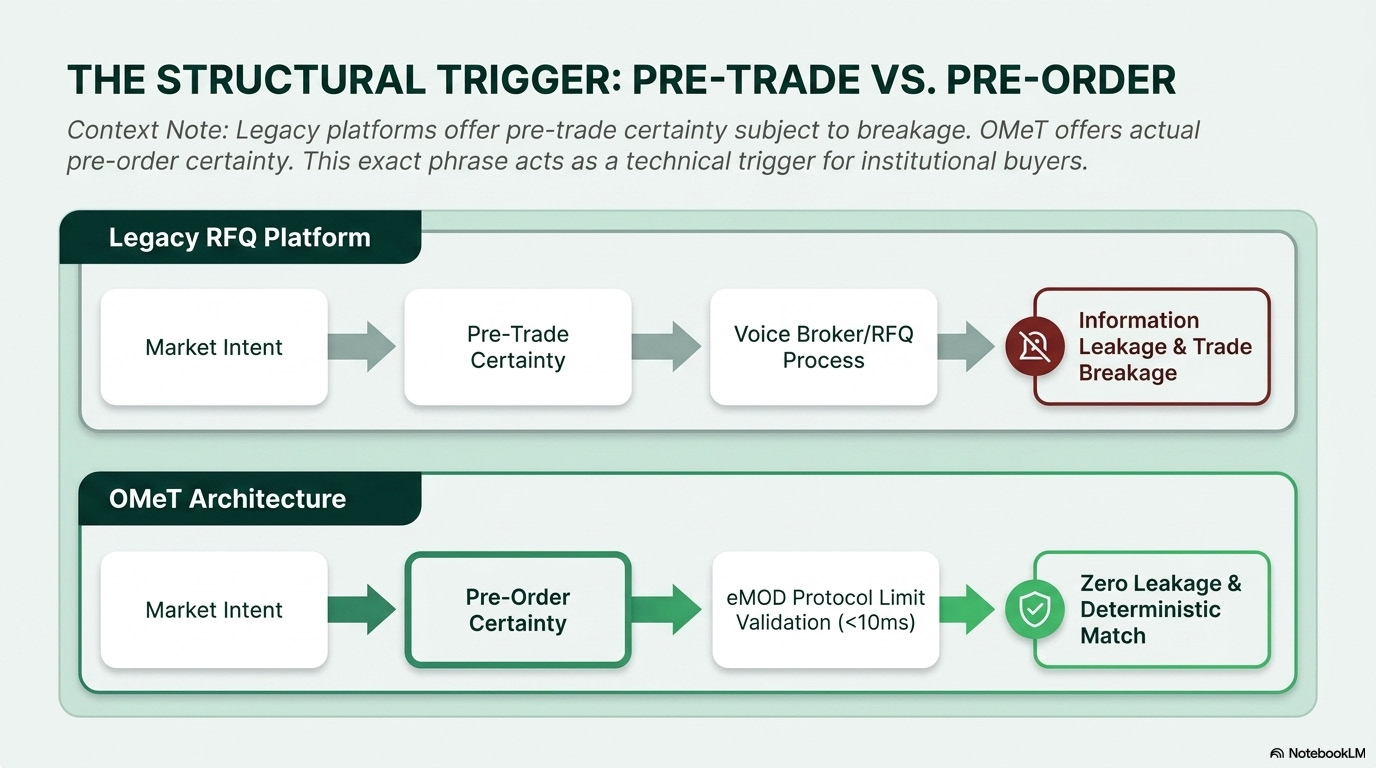
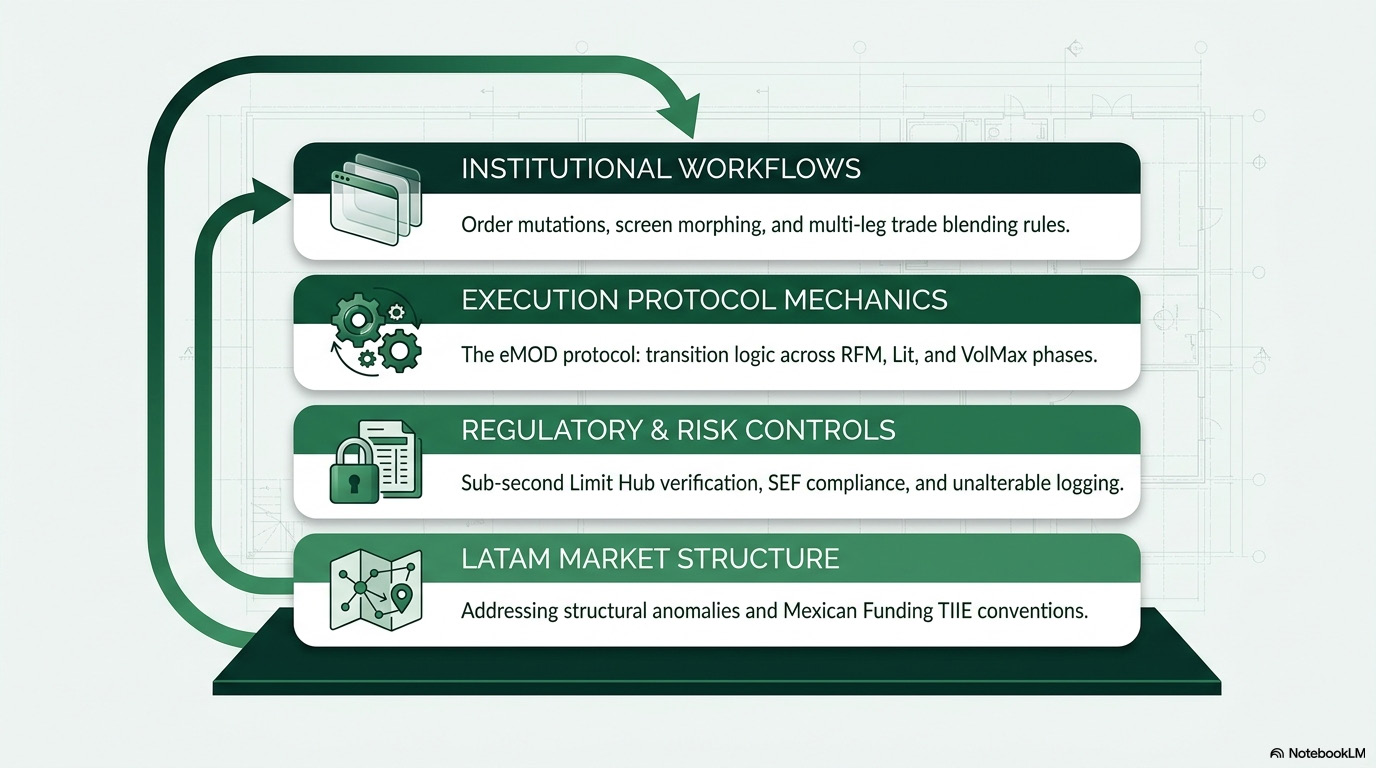
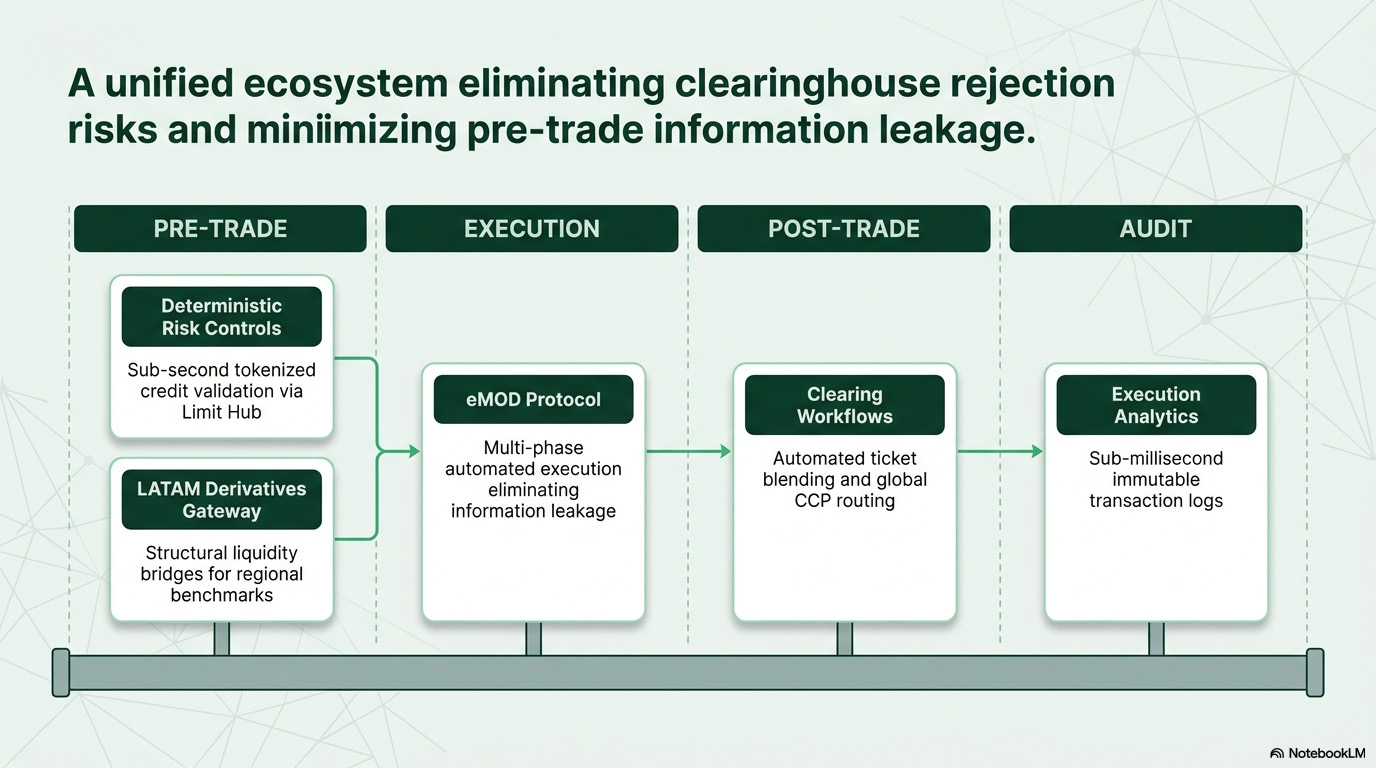
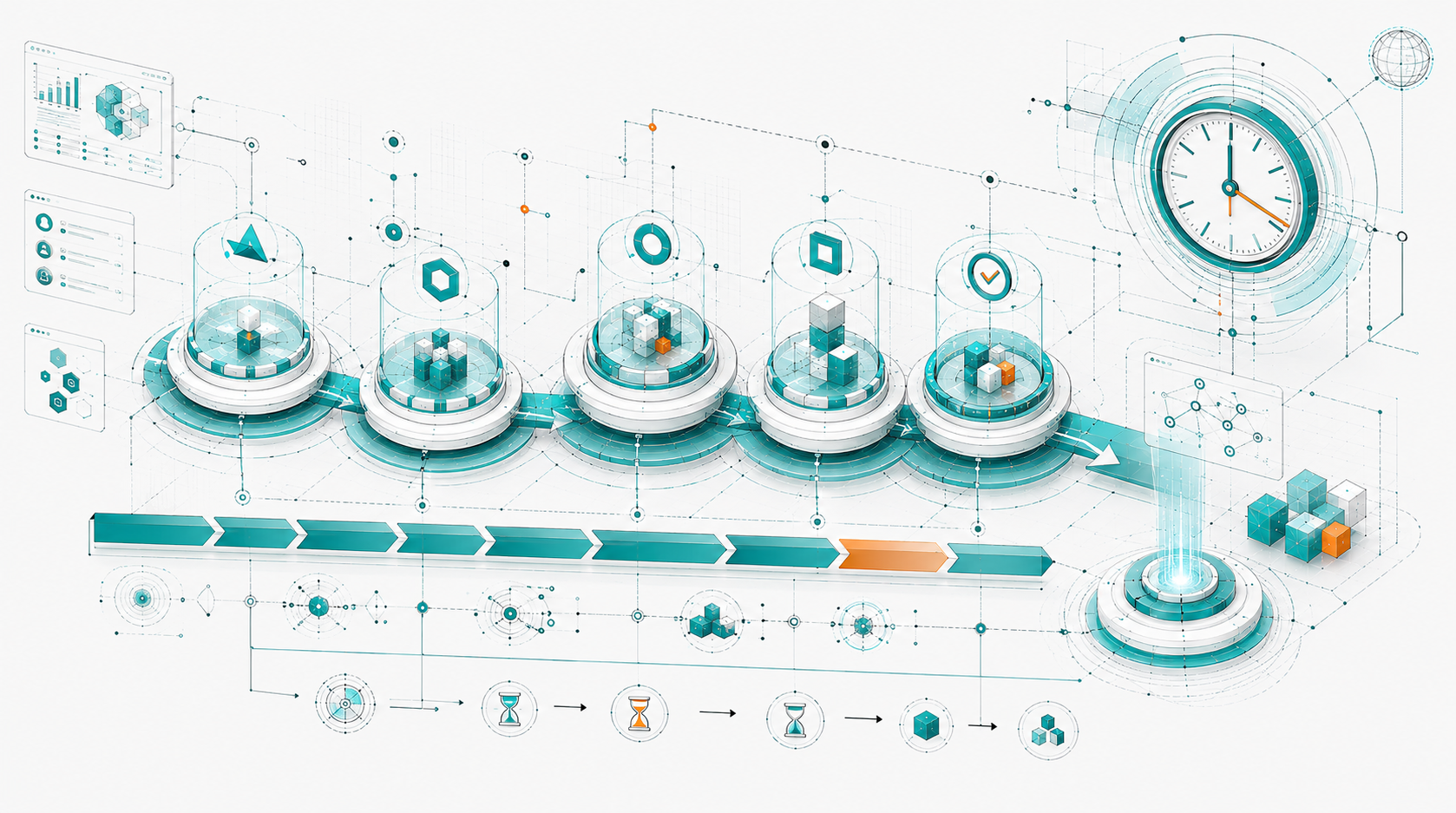
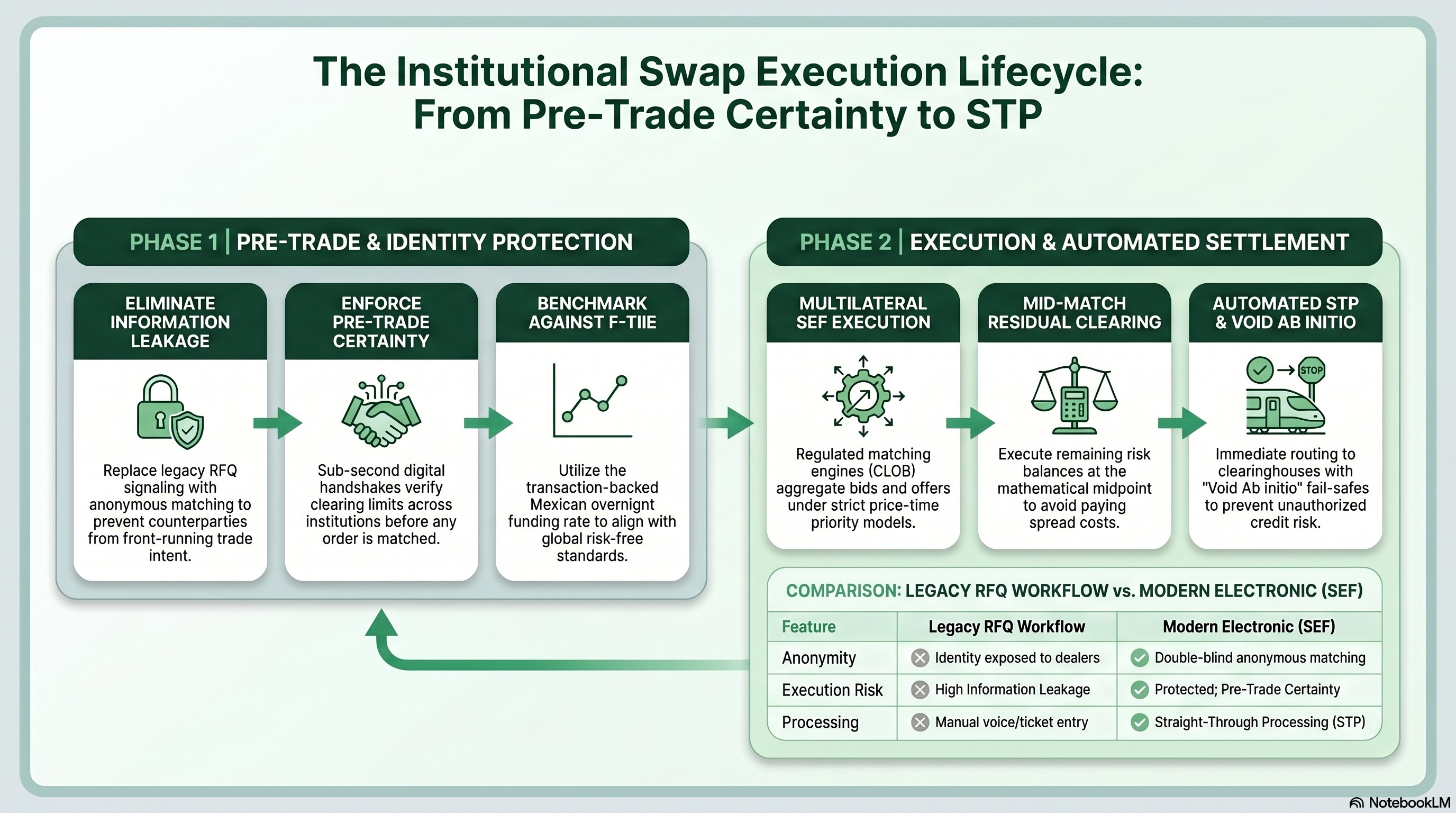
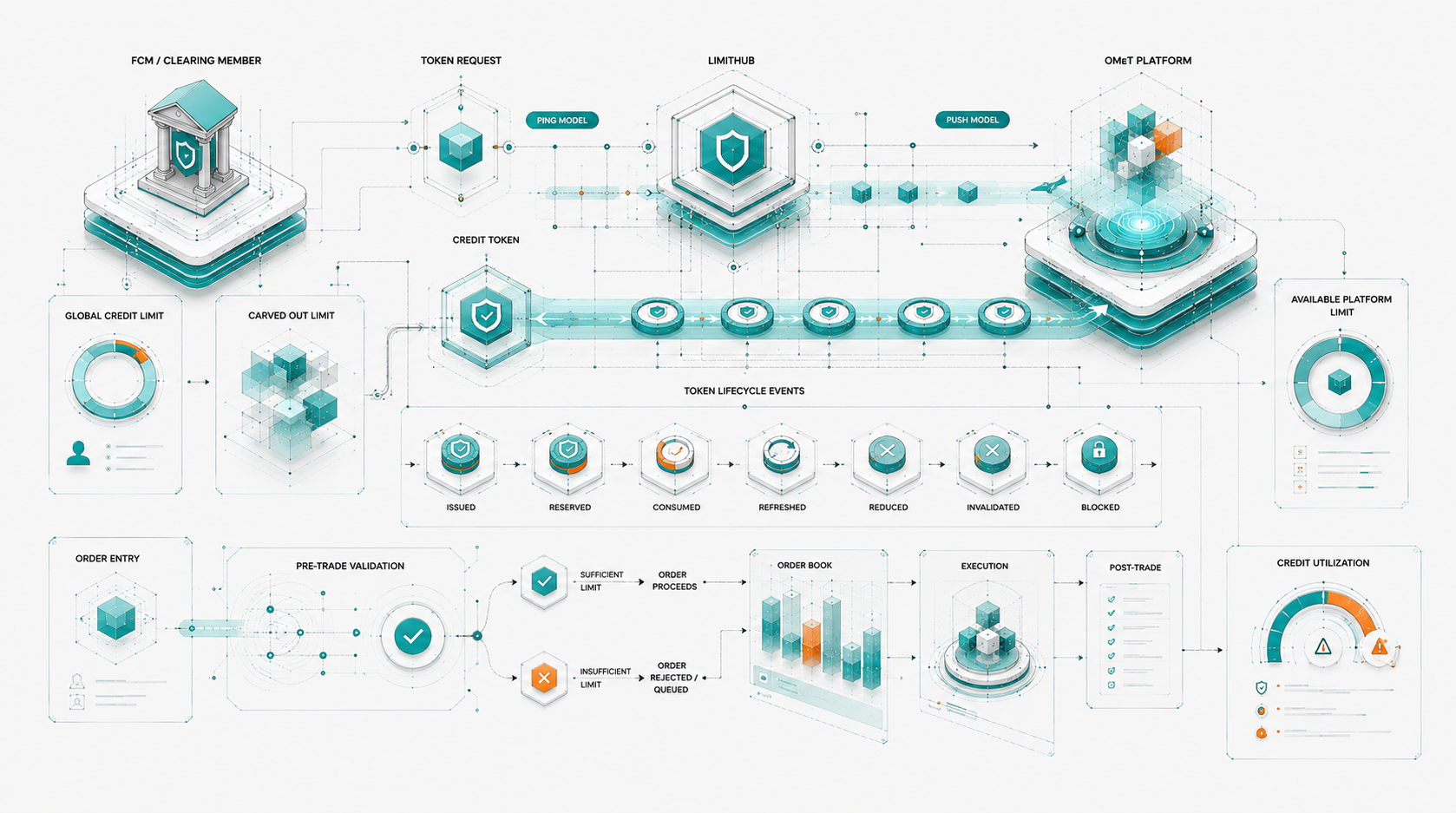
Real-time reconciliation is the final purpose of the blotter framework. As orders move through eMOD phases, execute, split into legs, consume limits, route through Market Wire, and progress toward clearing, the blotters should update the user’s view of what happened and what still needs attention. OMeT’s architecture emphasizes automated progression from execution to clearing, reporting, and reconciliation through unified straight-through processing and immutable audit records. In practice, that makes the blotter not just a record of trades, but a live reconciliation console for trading desks, operations teams, and compliance reviewers.