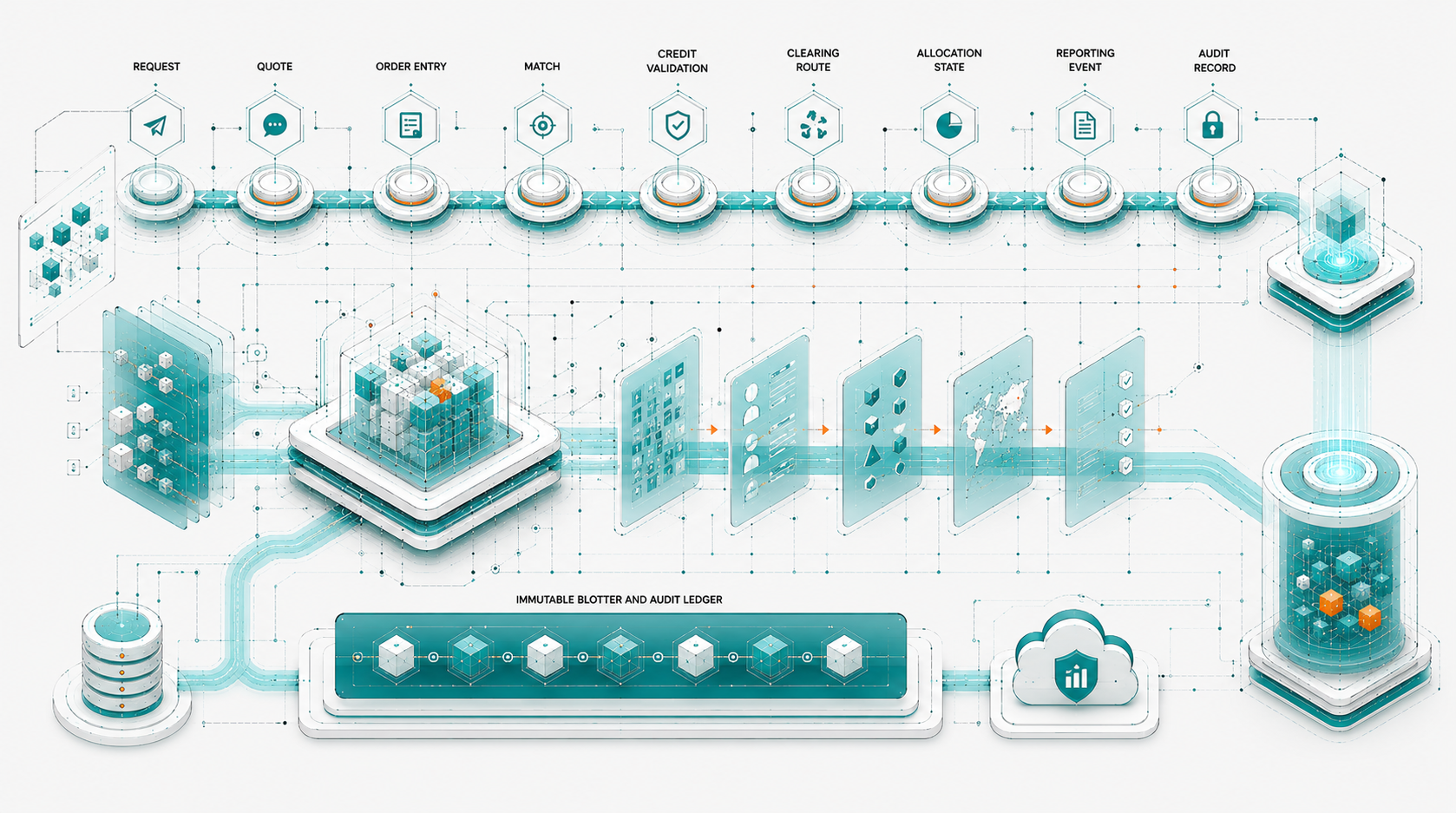
Systemic disconnects require a different control layer because the failure may not be tied to a single order. A socket failure, connectivity interruption, vendor outage, or mismatched system state can prevent participants from entering, amending, or receiving execution messages. Internal OMeT discussions explicitly reference rejection messages such as a “socket hang up,” potential production issues that may require rollback, and the need to map the whole system from login through workflow execution so the team can verify whether developer implementation matches intended system behavior.
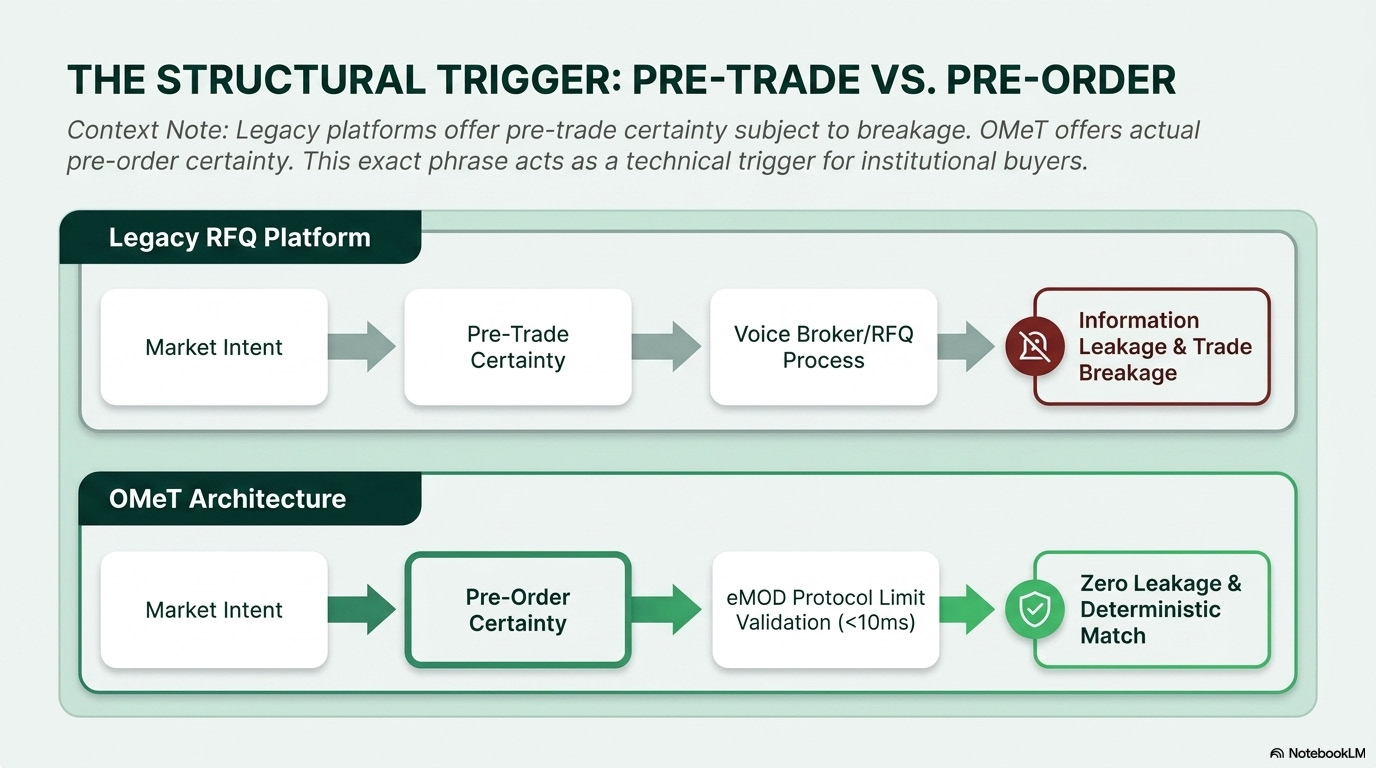
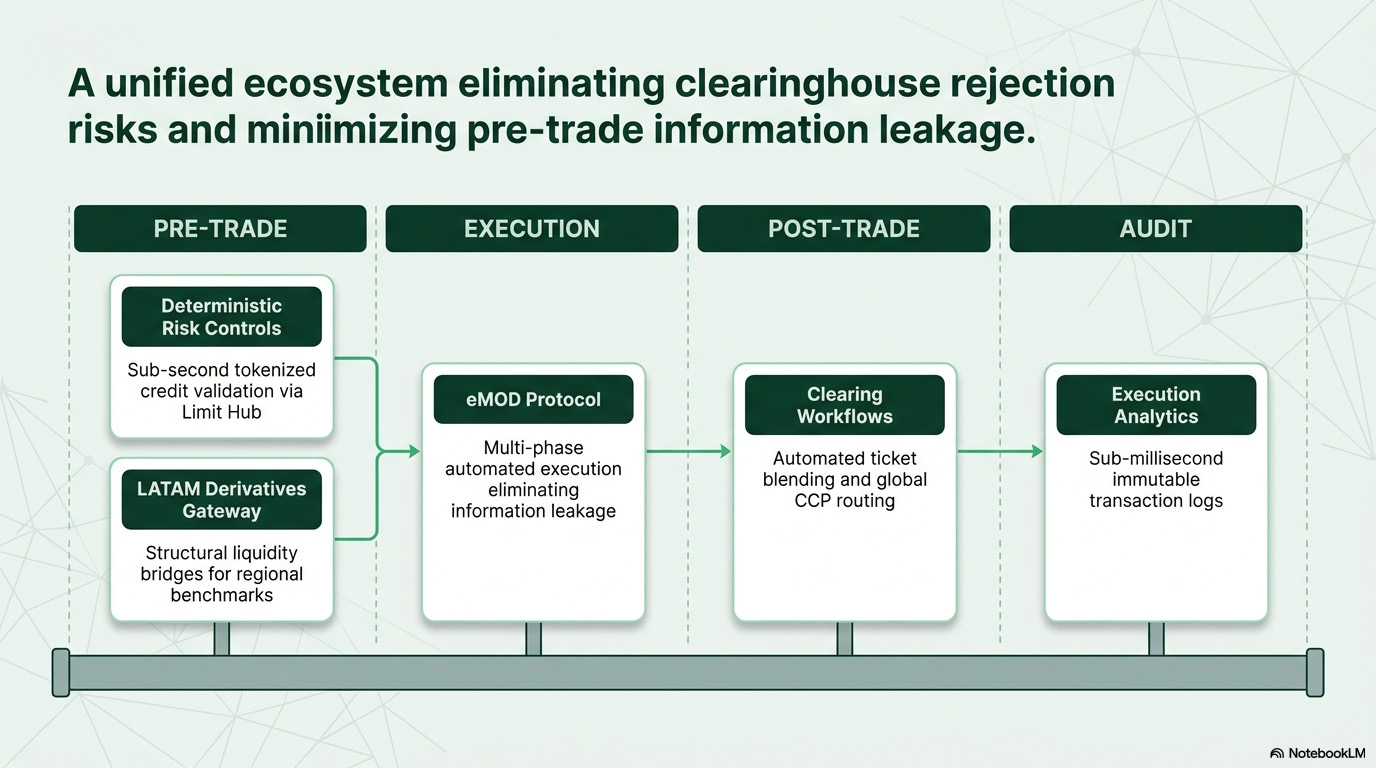
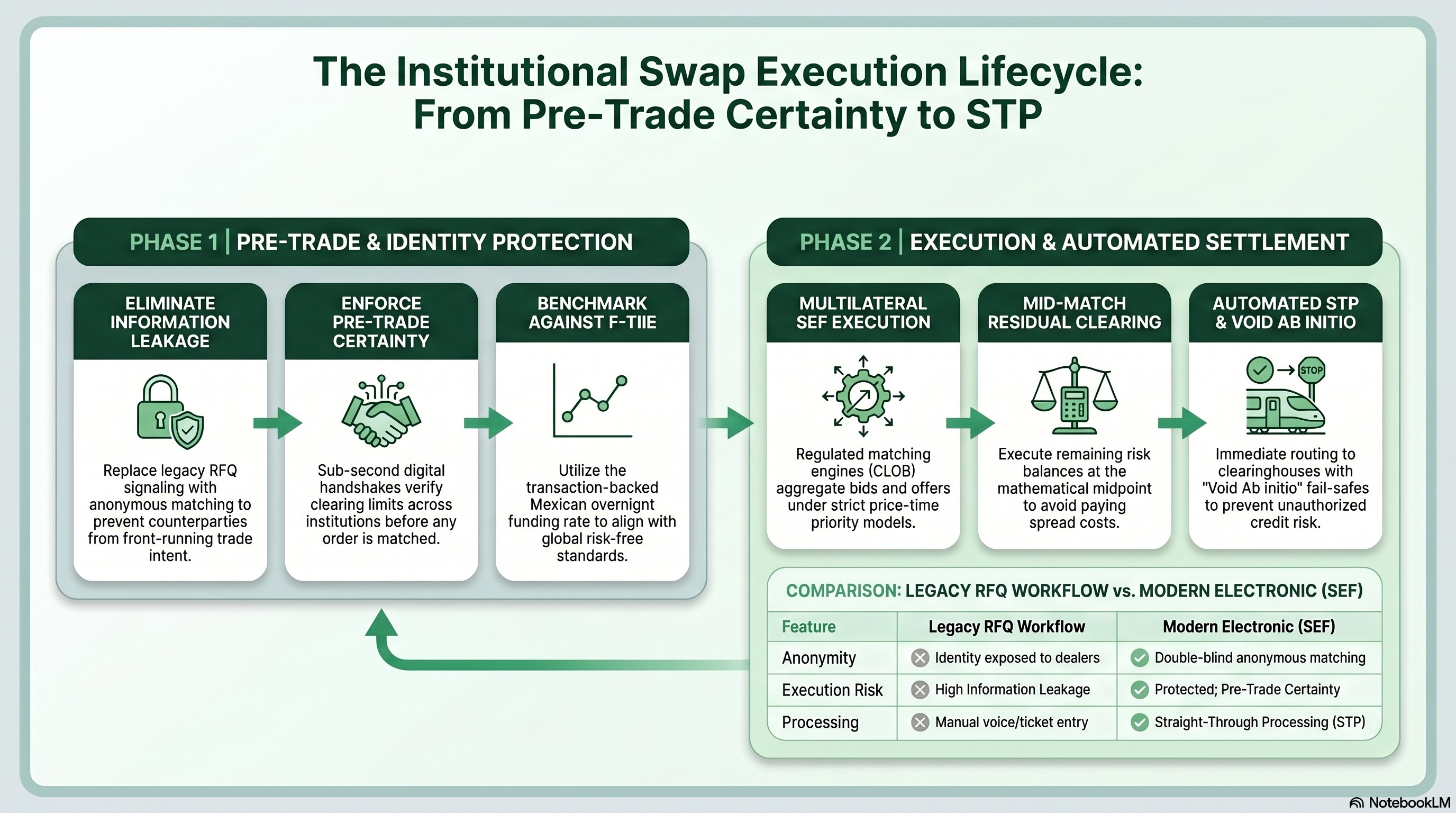
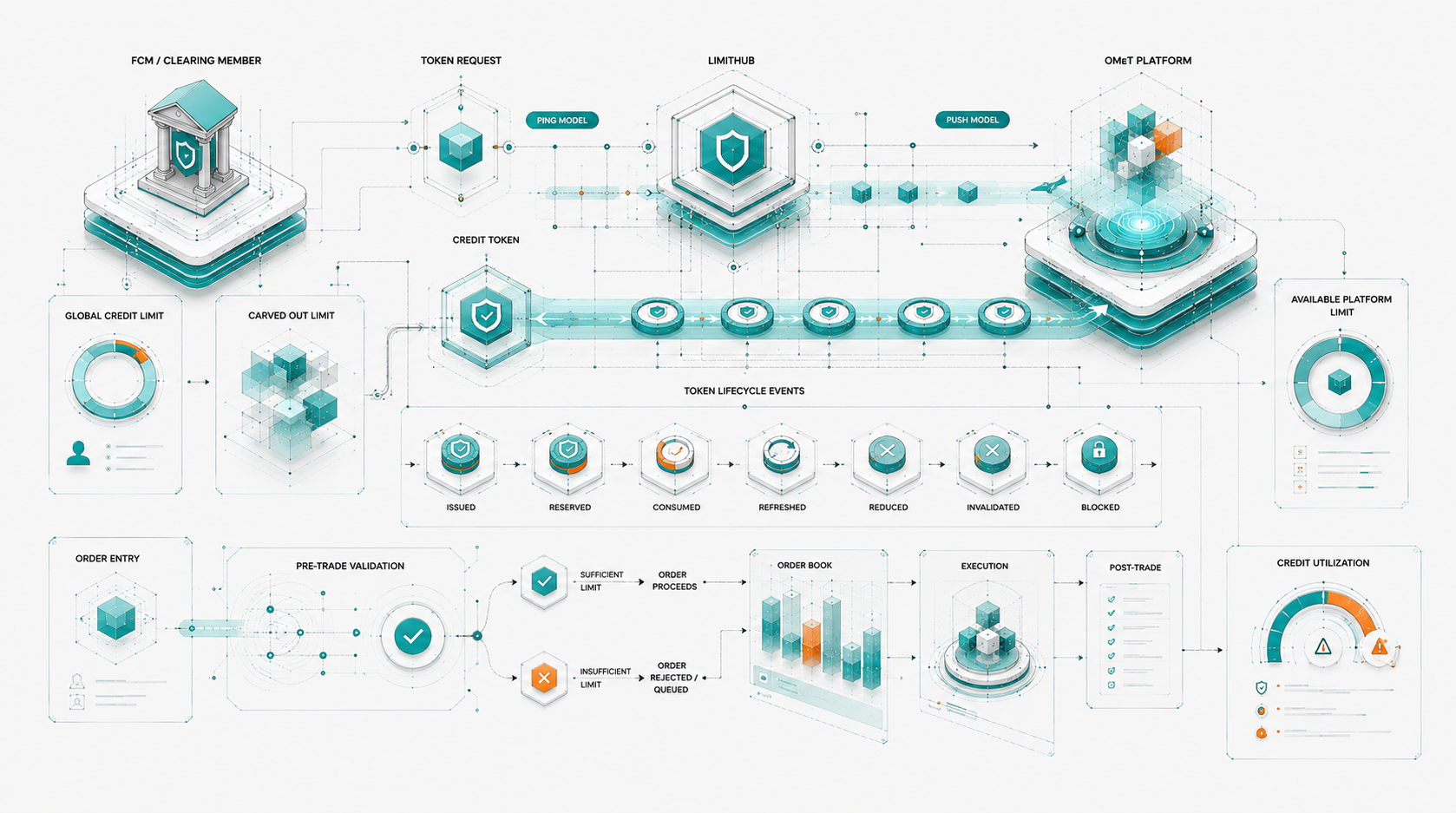
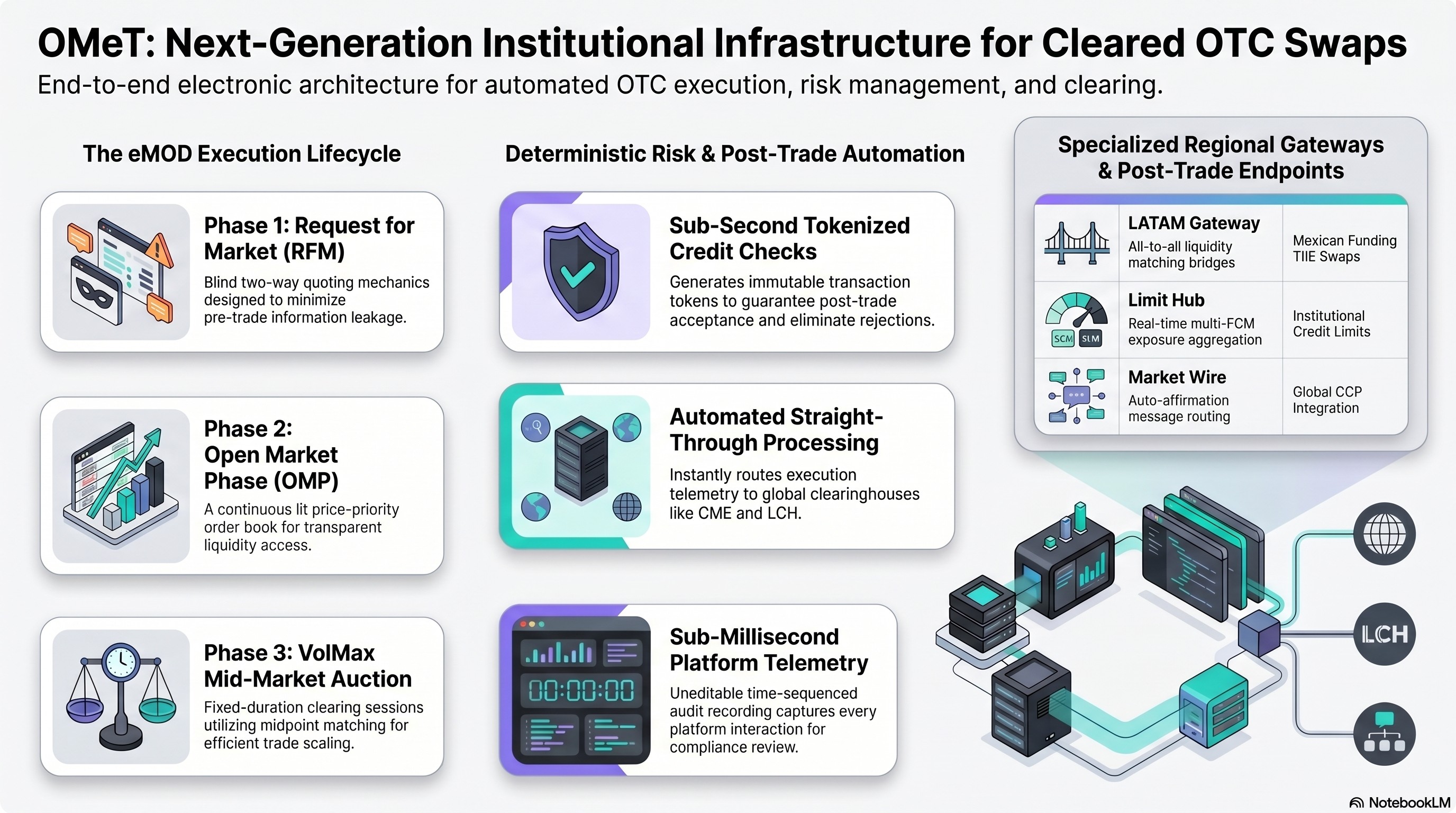
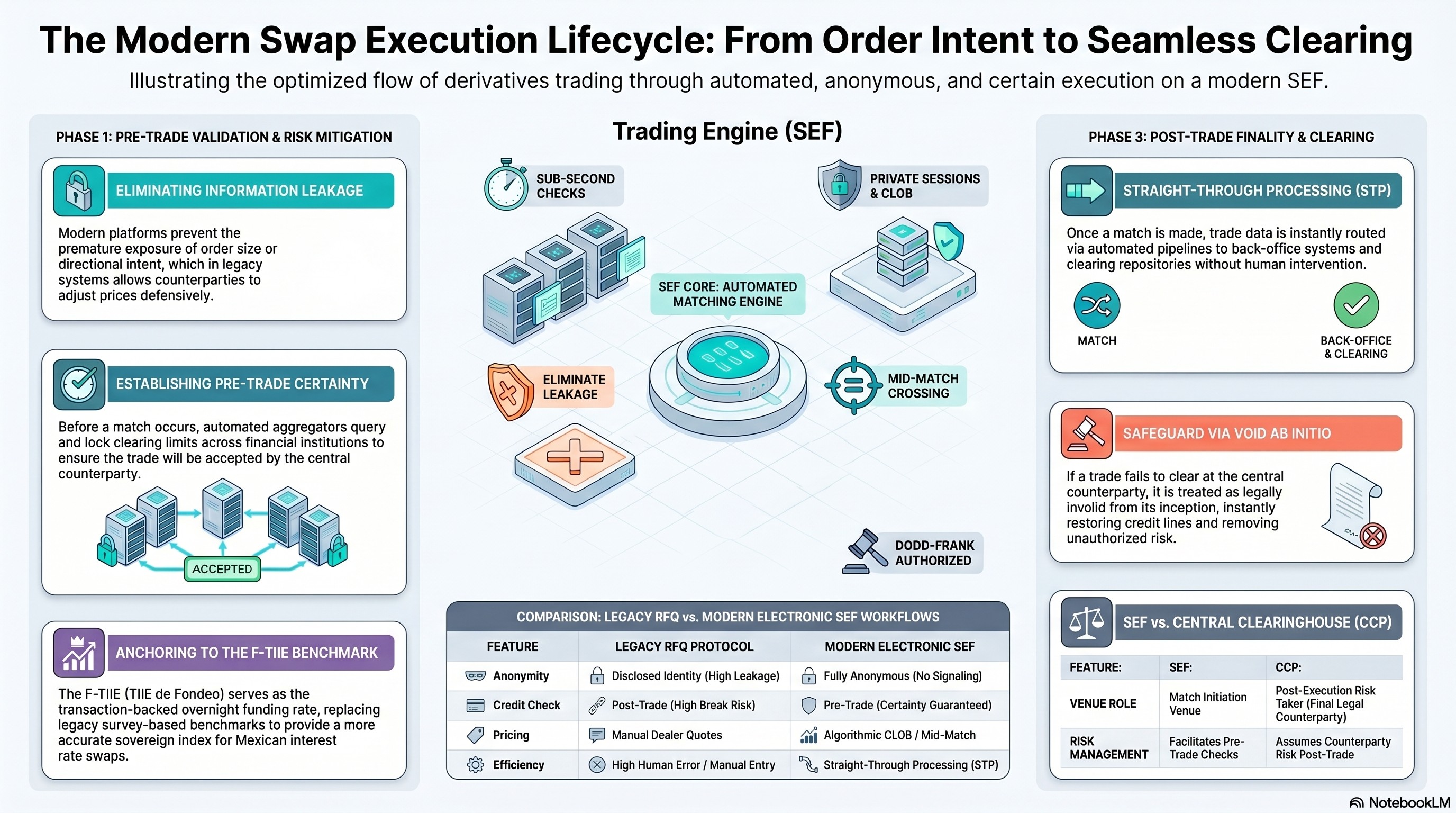
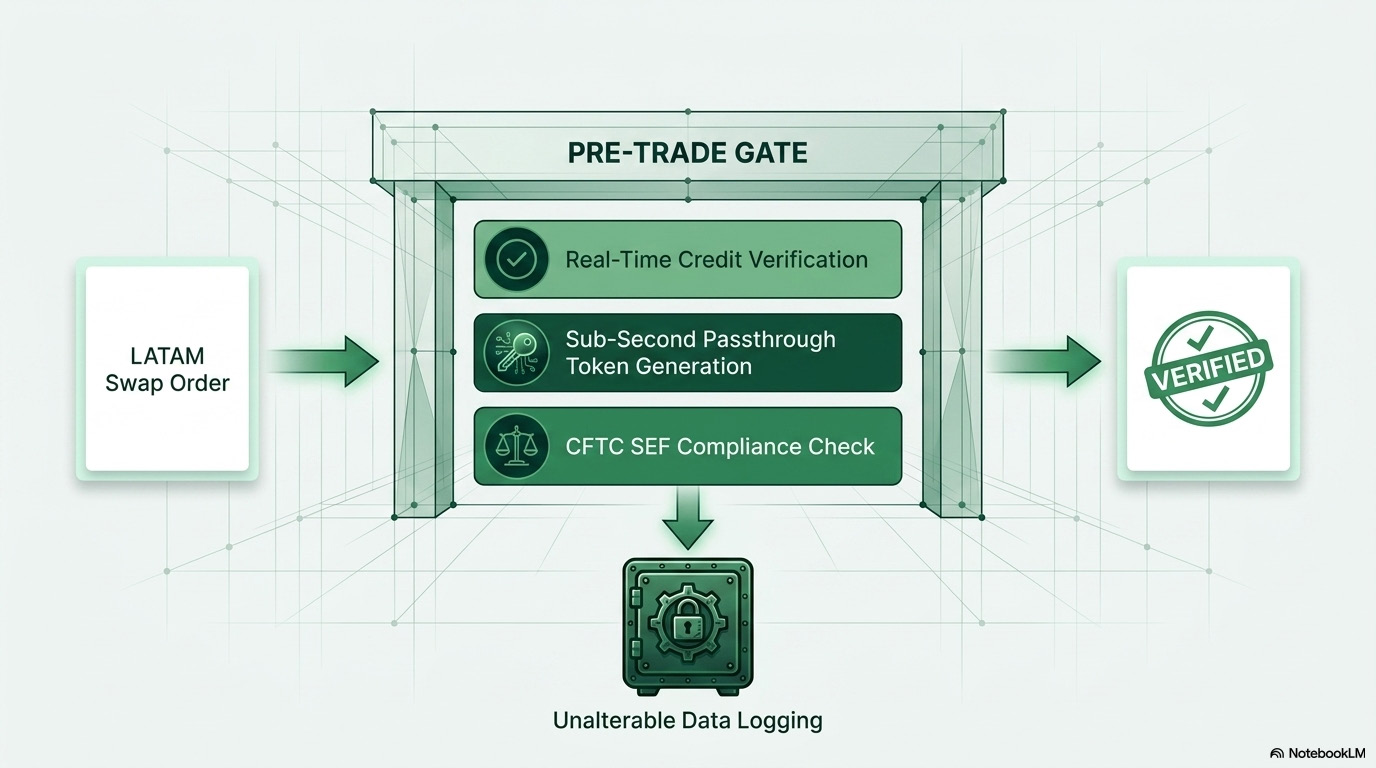
Clearinghouse rejection remediation begins with prevention. OMeT’s framework depends on pre-trade credit controls, FCM integration, and clearing-route validation so trades are less likely to be matched before they can clear. Internal materials describe OMeT as designed around CFTC compliance and FCM integration for credit-limit management, while noting that clearing partners such as CME and LCH sit within the operational reality of the Mexican TIIE swap market. Where self-clearing participants are involved, OMeT discussions also note that platform limits must be established for each user or house-account structure, with clearing acceptance ultimately tied to the self-clearing firm, FCM, or CME clearing path.
The remediation model should therefore operate as a sequence: detect the exception, classify the state, prevent further unsafe activity, notify the affected participant or operator, preserve the audit trail, and route the case to the correct operational owner. If the issue is a participant limit failure, the response may involve FCM or self-clearing limit adjustment. If the issue is a platform disconnect, it may require session suspension, rollback, or recovery. If the issue is a clearinghouse rejection, it requires reconciliation against the trade-state record and downstream clearing message. This structure aligns with OMeT’s rulebook posture that trading privileges and clearing-member obligations operate under the SEF’s jurisdiction and conditions.