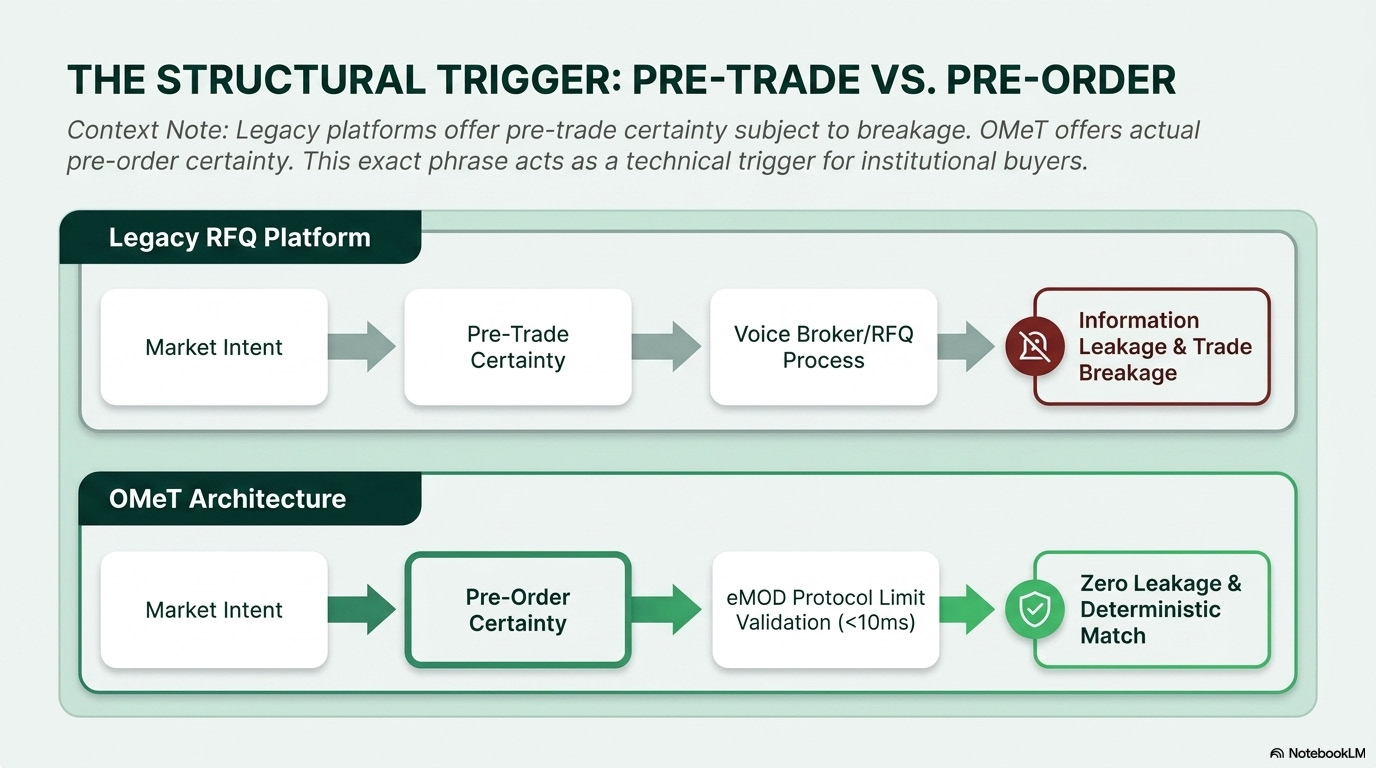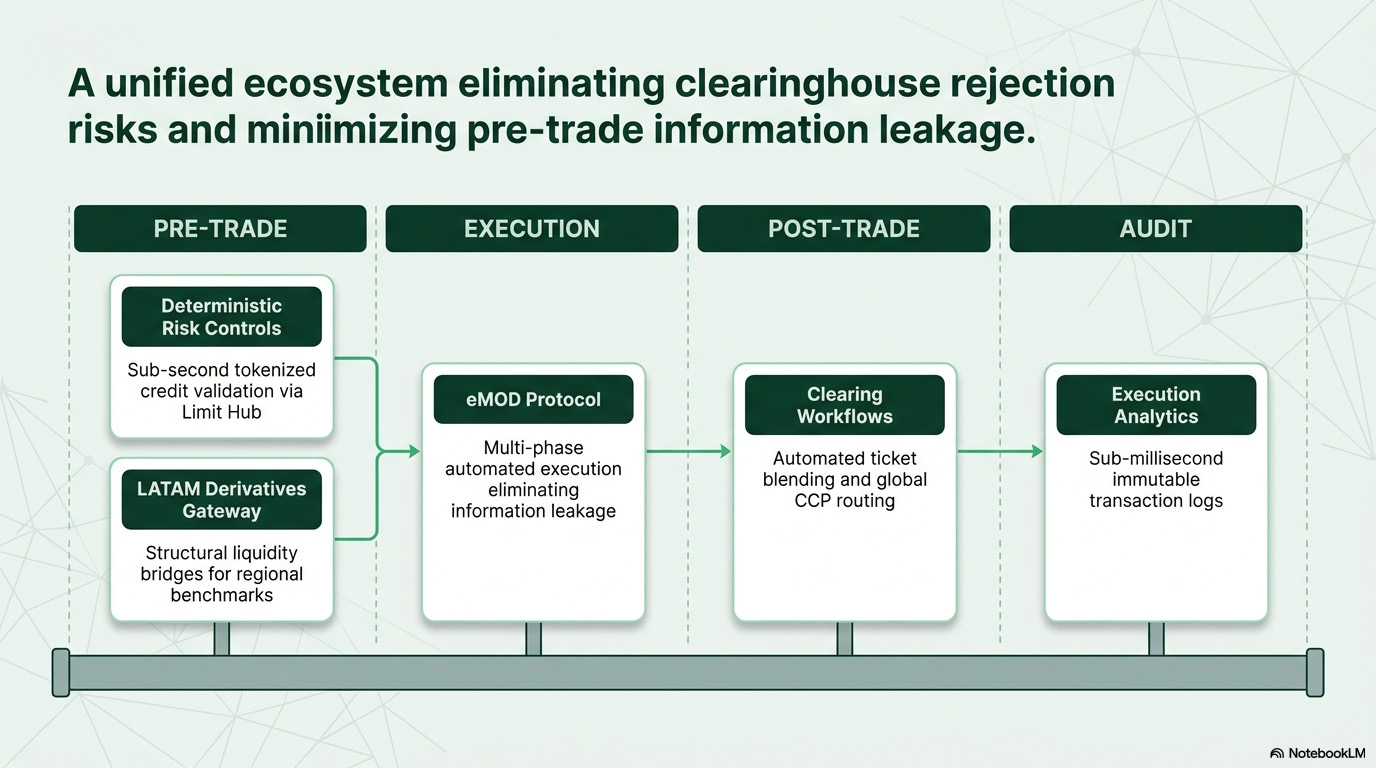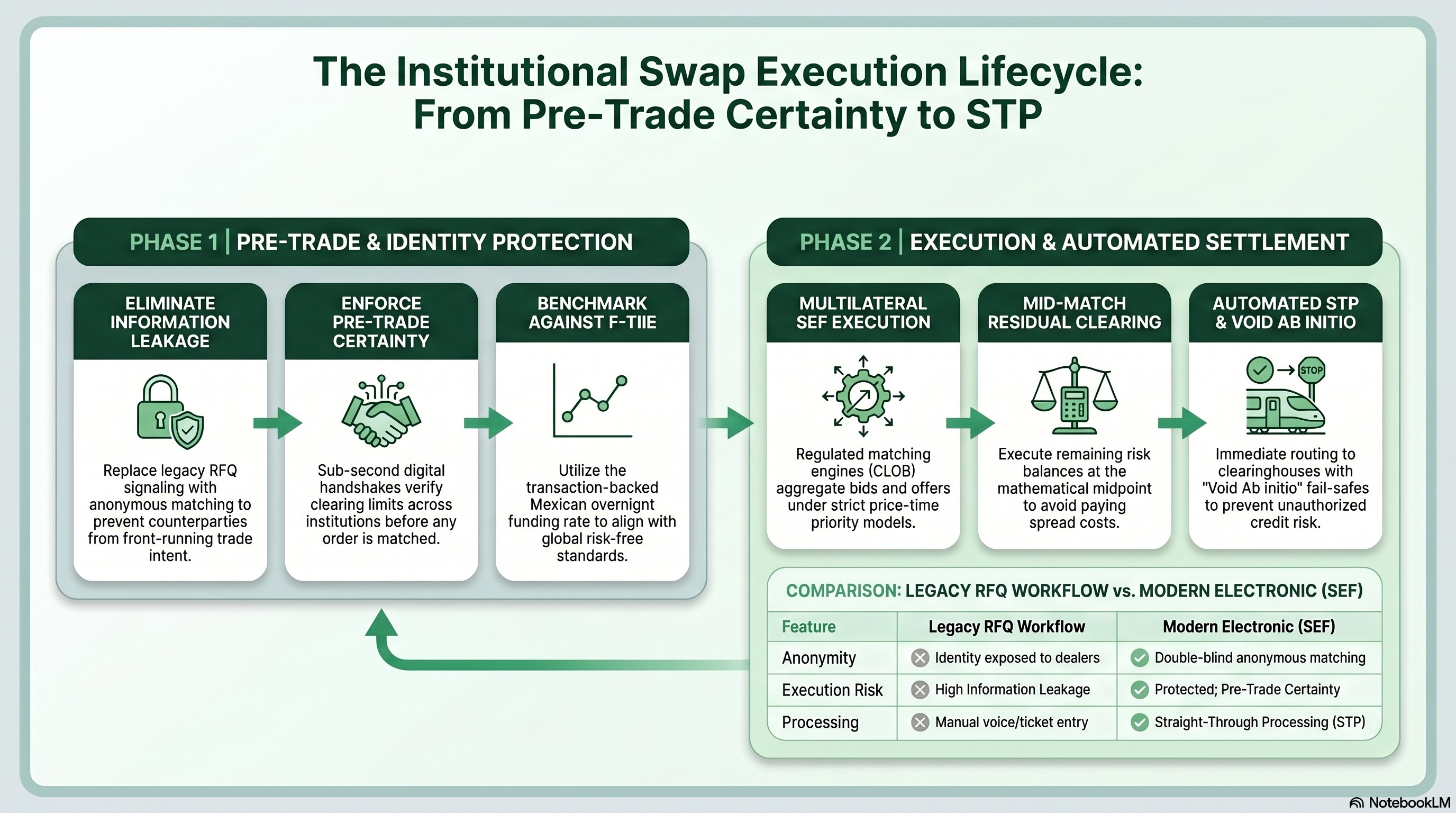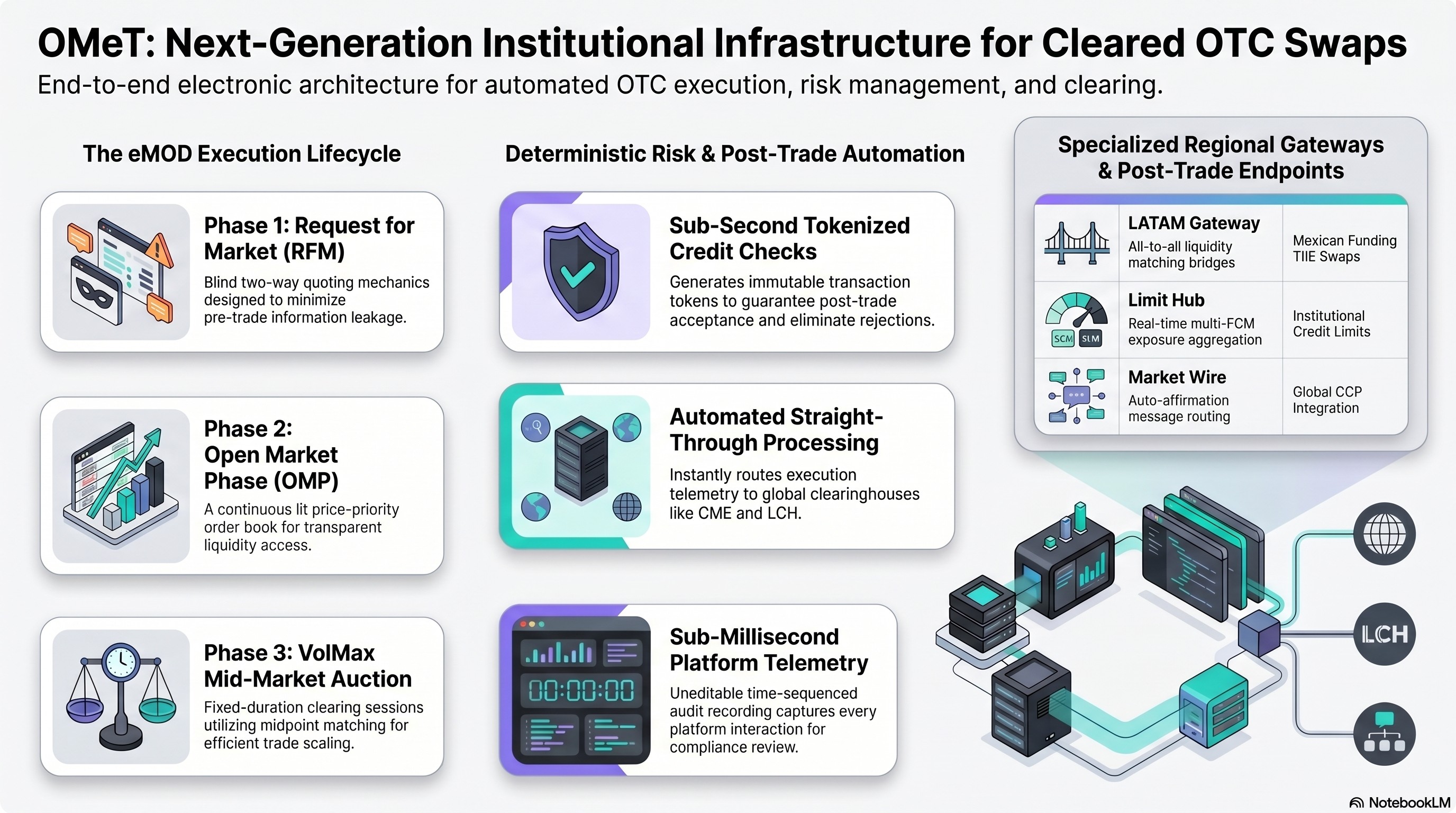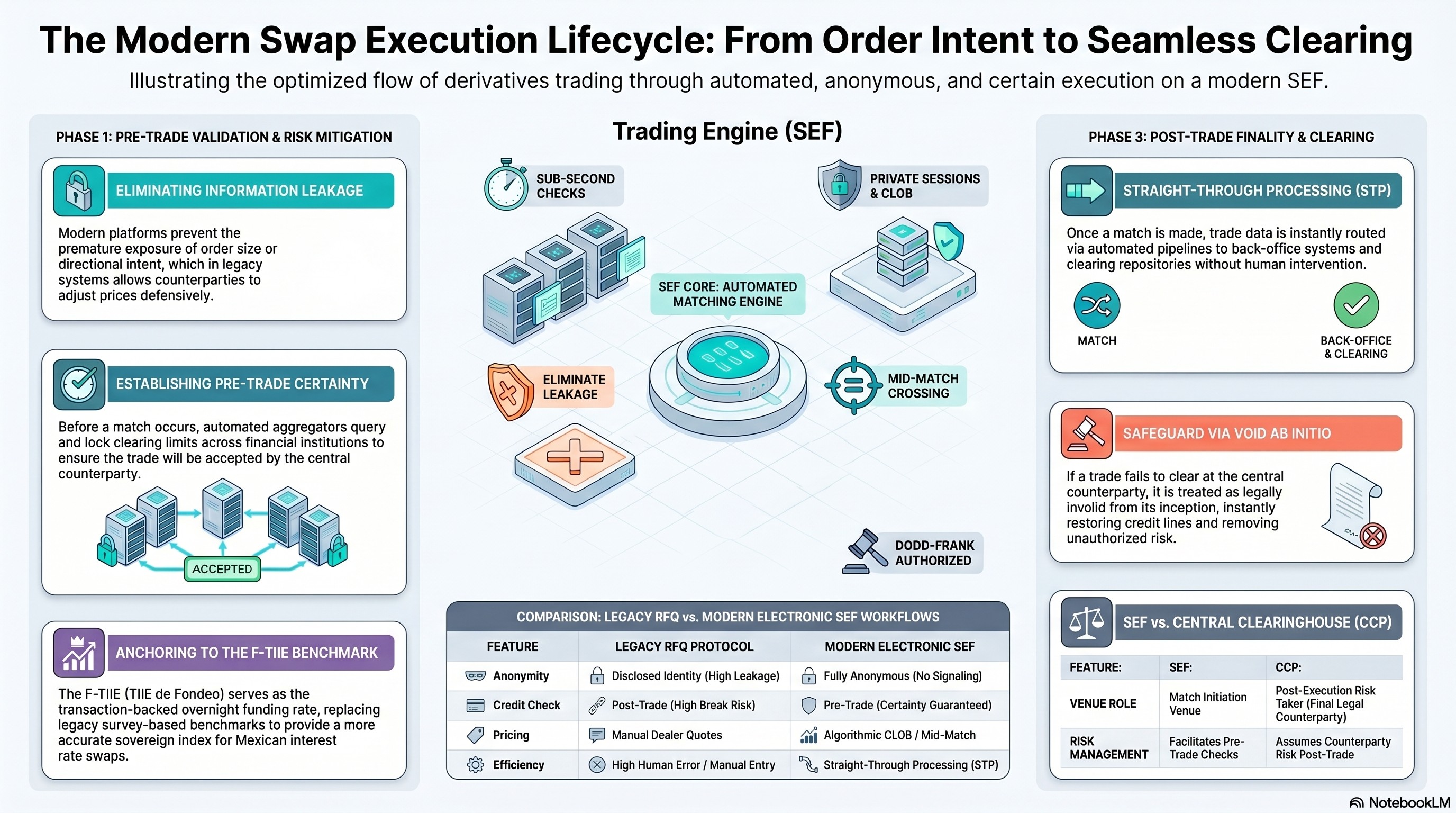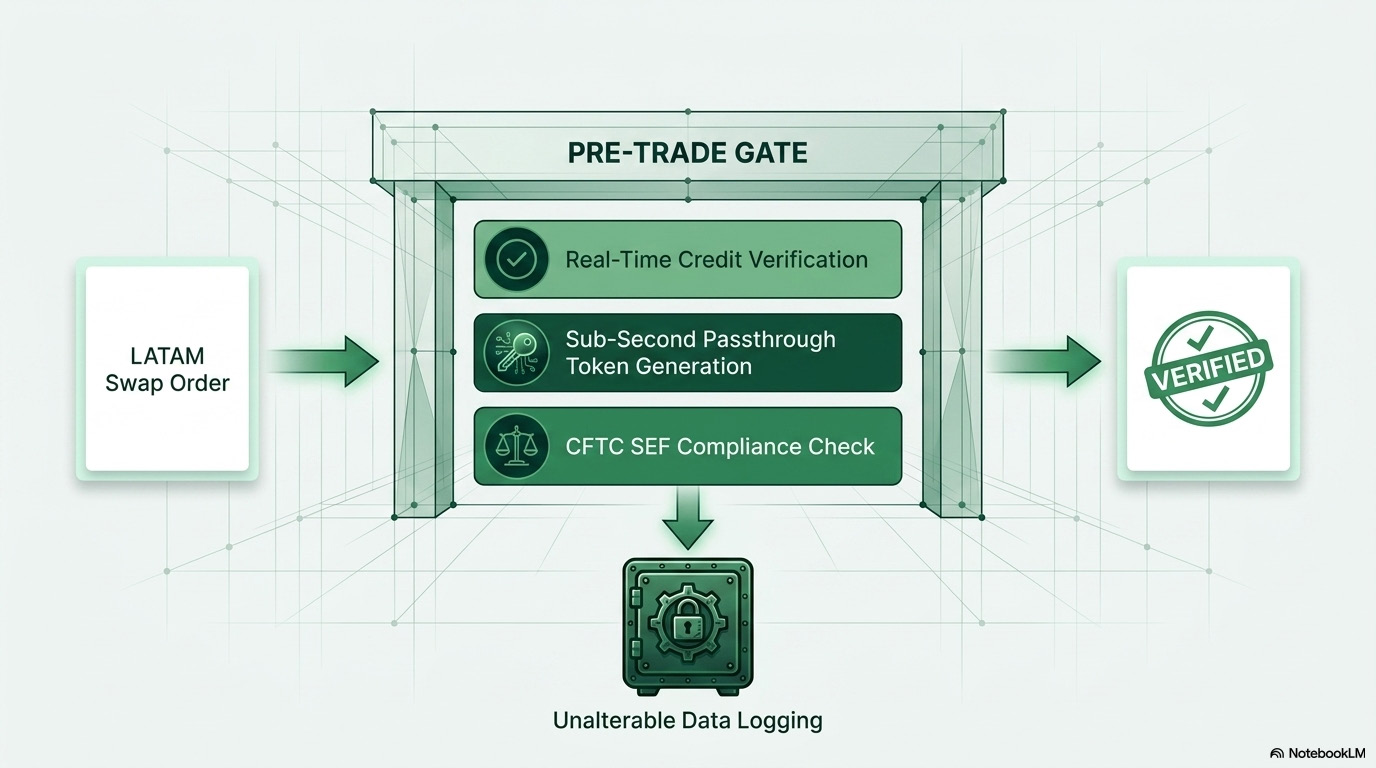
The state model matters because OMeT captures the workflow behind execution, not just the final fill. Each interaction can create structured execution data, including workflow events, timing, and state changes that support analytics, benchmarking, monitoring, and institutional review. In practice, this means the platform can reconstruct how an order entered the system, how it was validated, whether it became executable, how it interacted with the market, and how the resulting transaction moved toward clearing, reporting, and audit.
Order amendment constraints are part of that state discipline. Internal product discussions show that amendments must preserve timestamp and ranking logic where appropriate, rather than simply canceling an existing order and creating a new one in ways that could distort priority. OMeT discussions also flag special cases around suspended orders, including warnings that amending an order while suspended may create unclear visual behavior, and broader debate over whether a “suspended” order should be treated differently from a canceled and re-entered order.
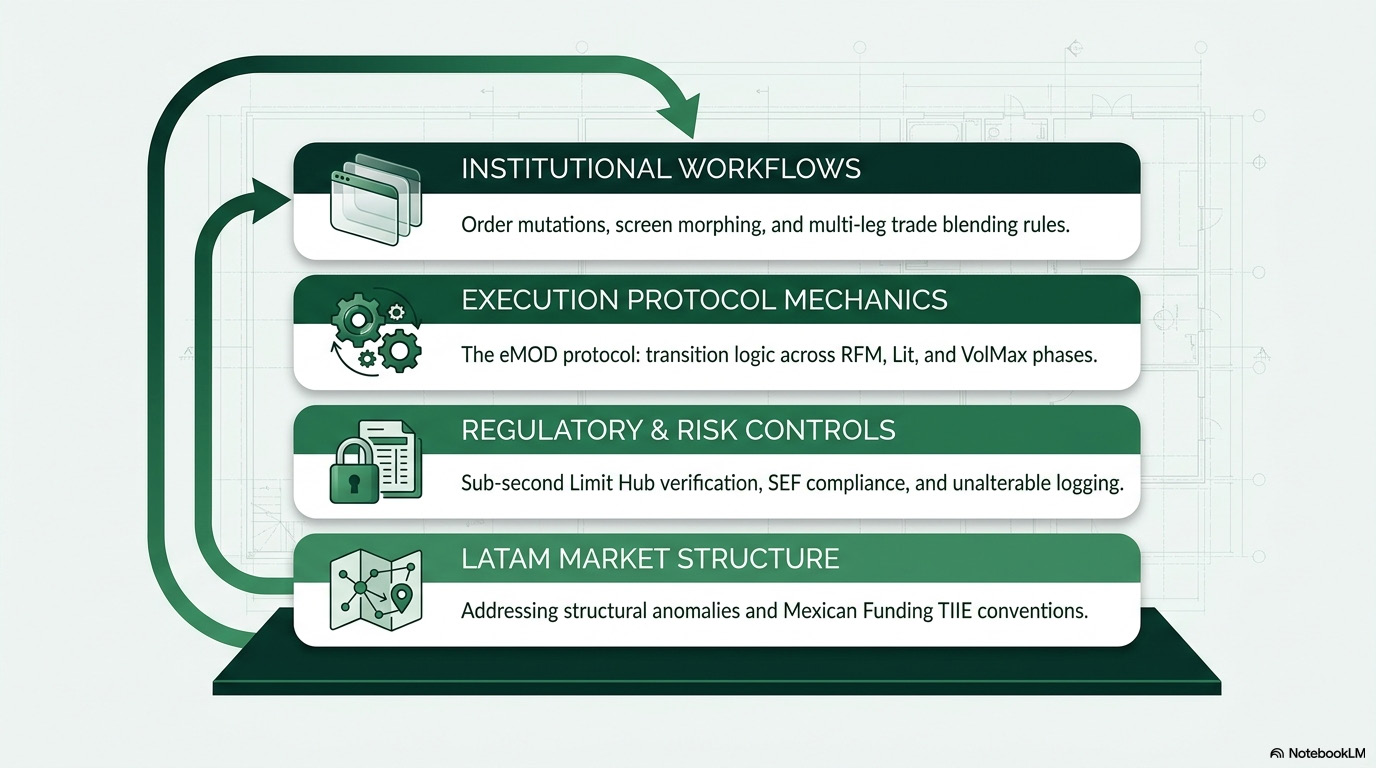
Execution routing in this context should be understood as internal protocol routing, not traditional external venue routing. OMeT discussions distinguish “order routing” from sending orders to other exchanges, noting that the market may misunderstand the term if it implies external routing to another execution venue. The relevant framework is instead the deterministic movement of orders through OMeT’s own execution states — from private request logic, to lit matching, to residual completion, and then into clearing, reporting, and audit through the trade waterfall.