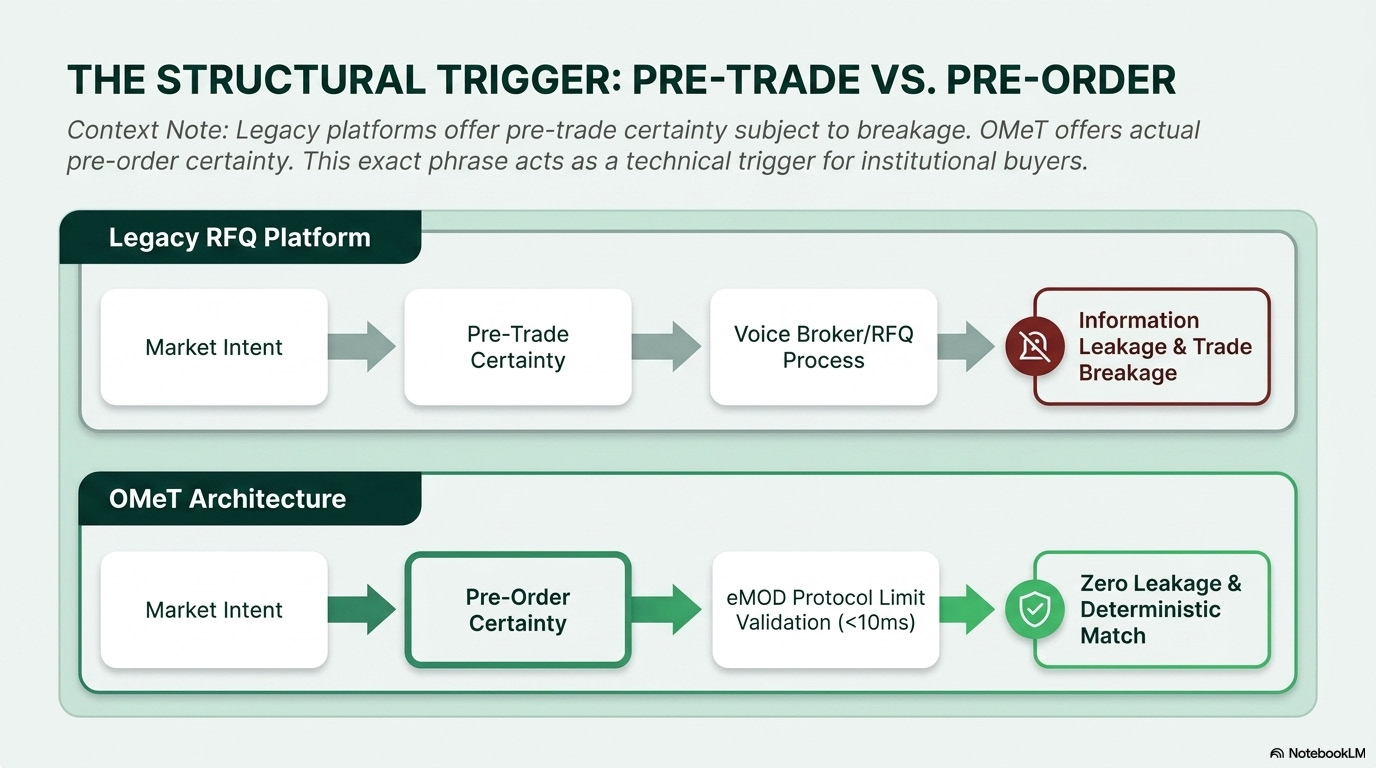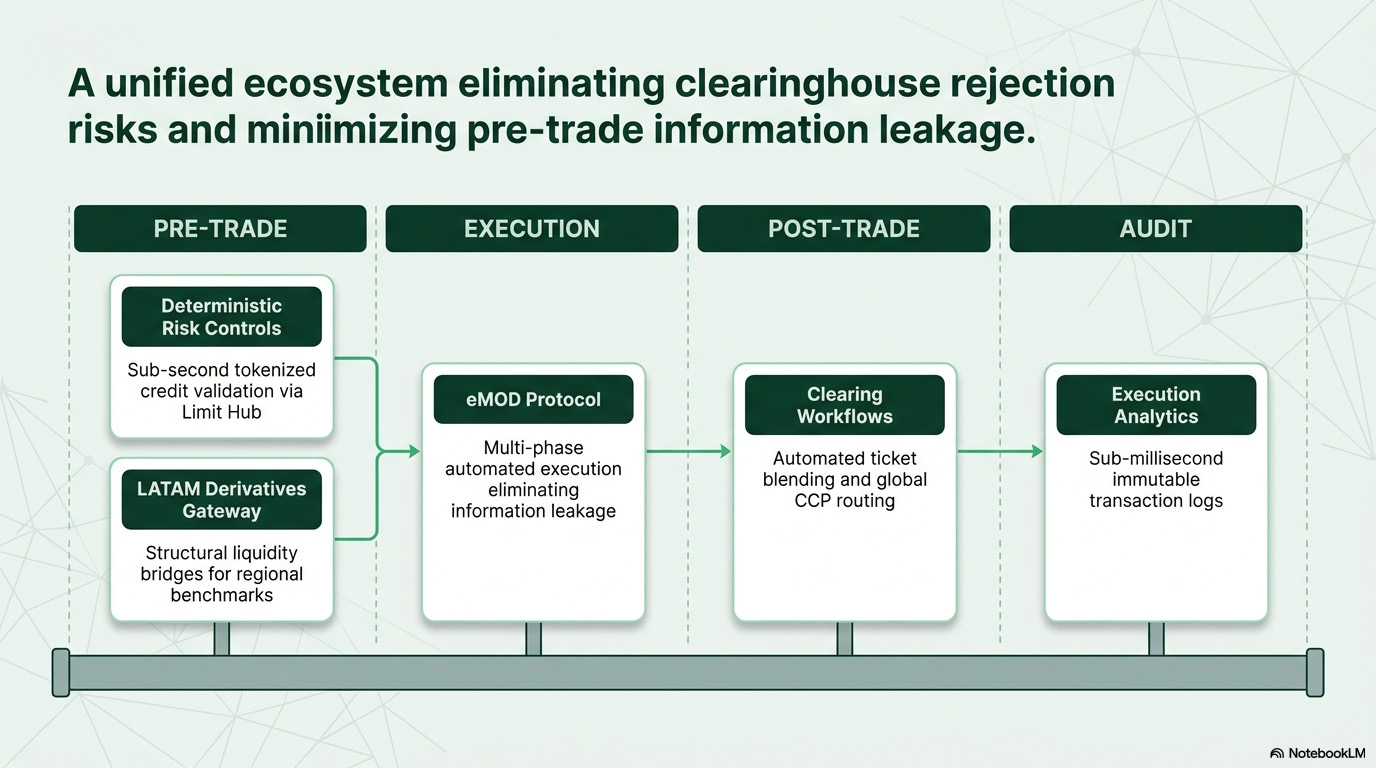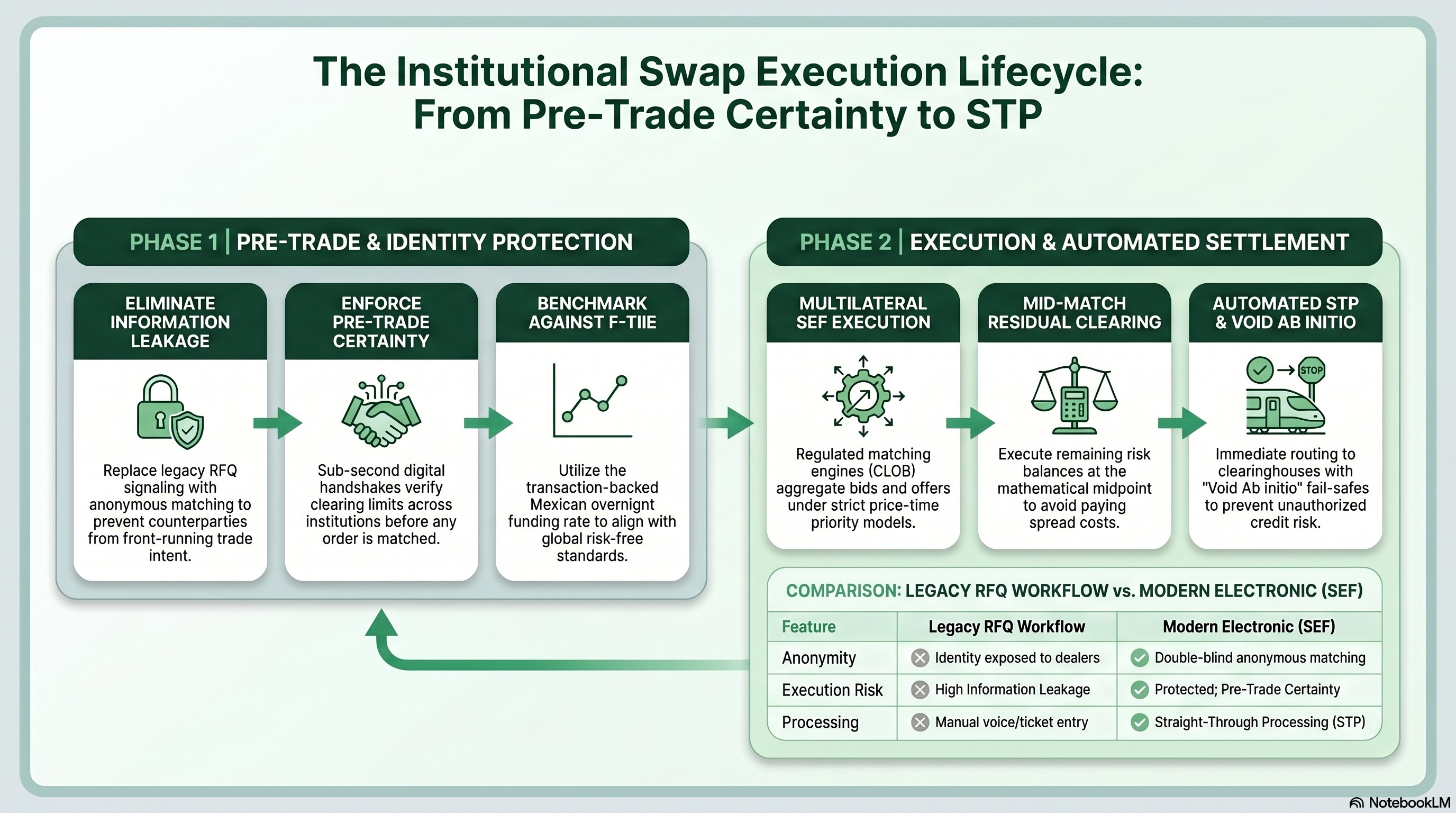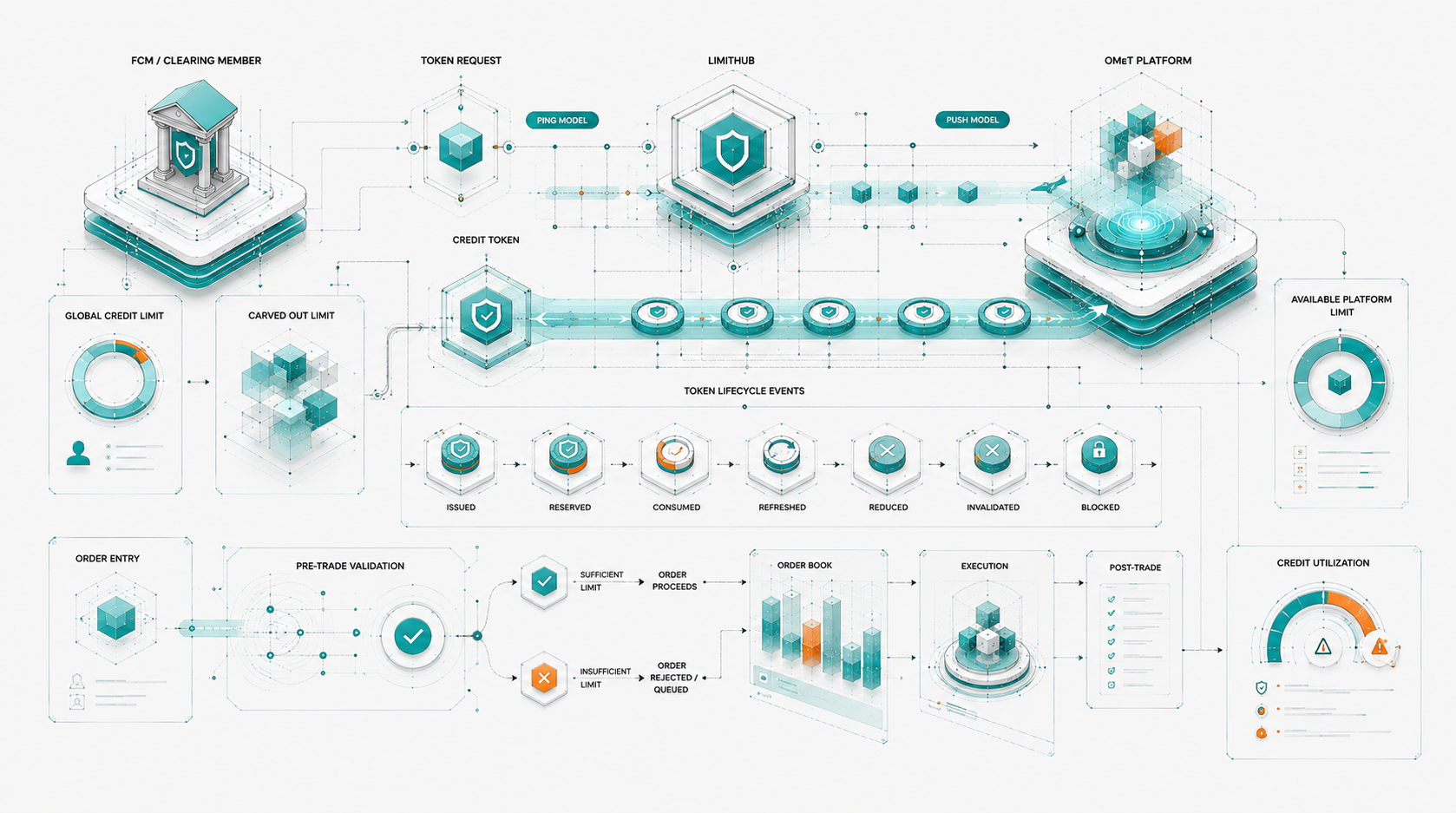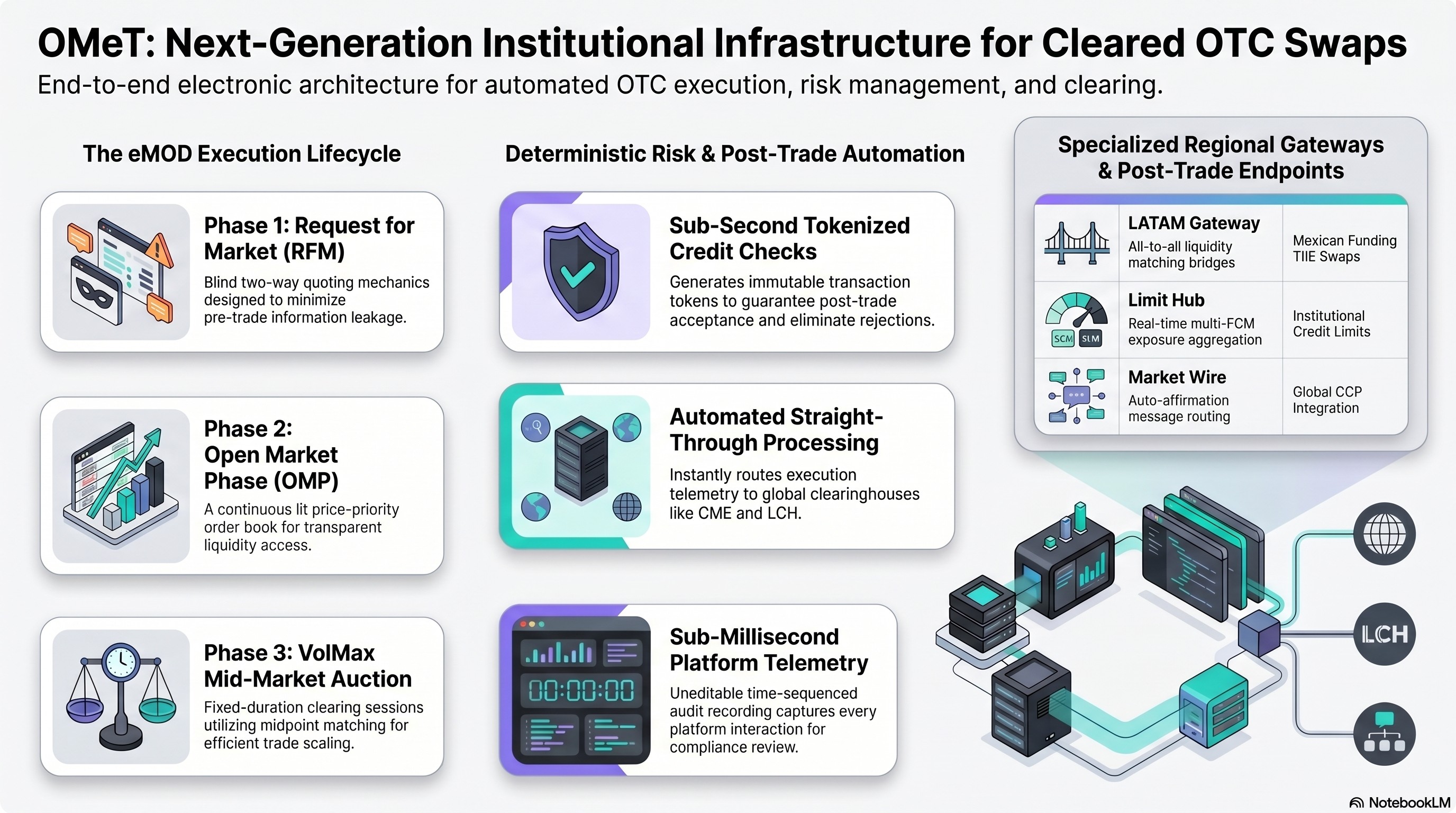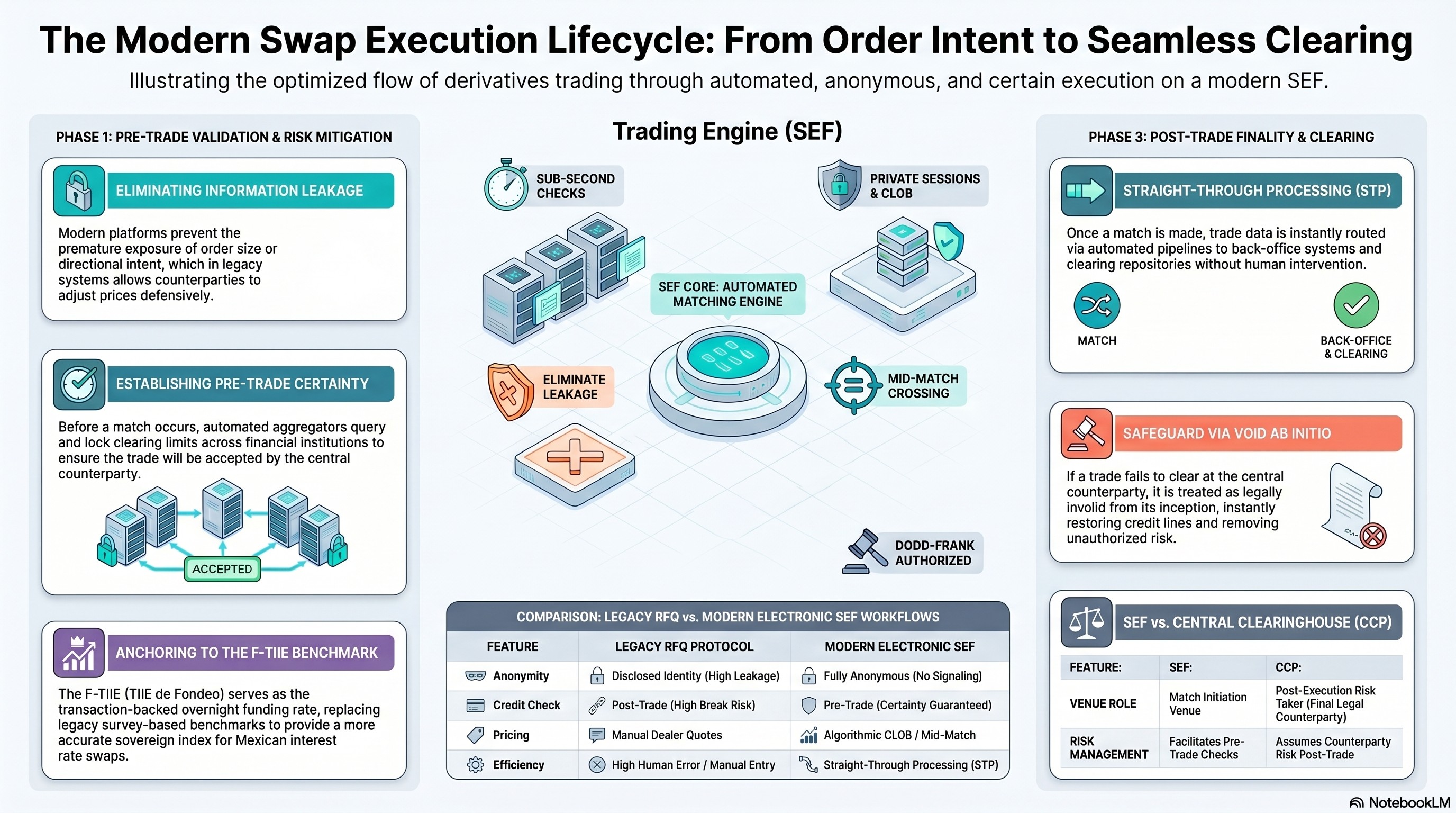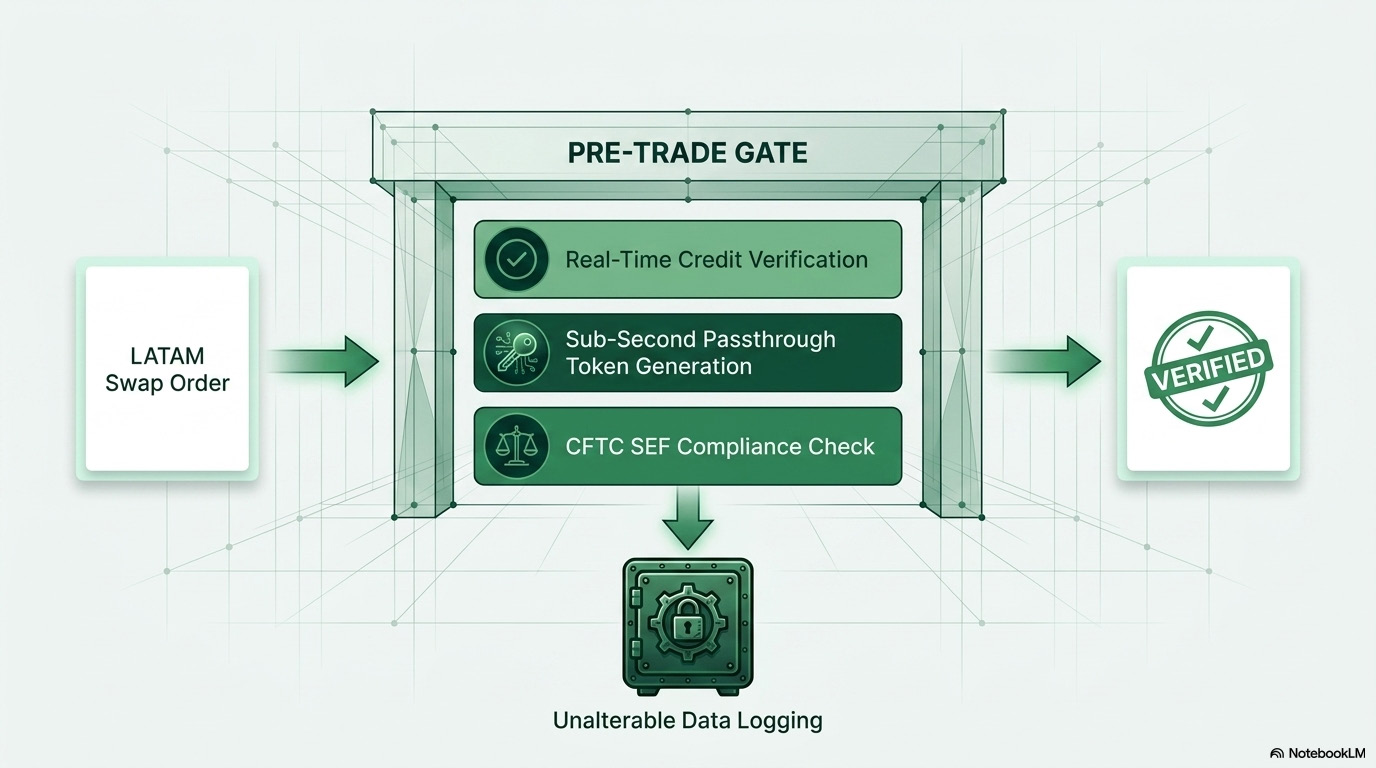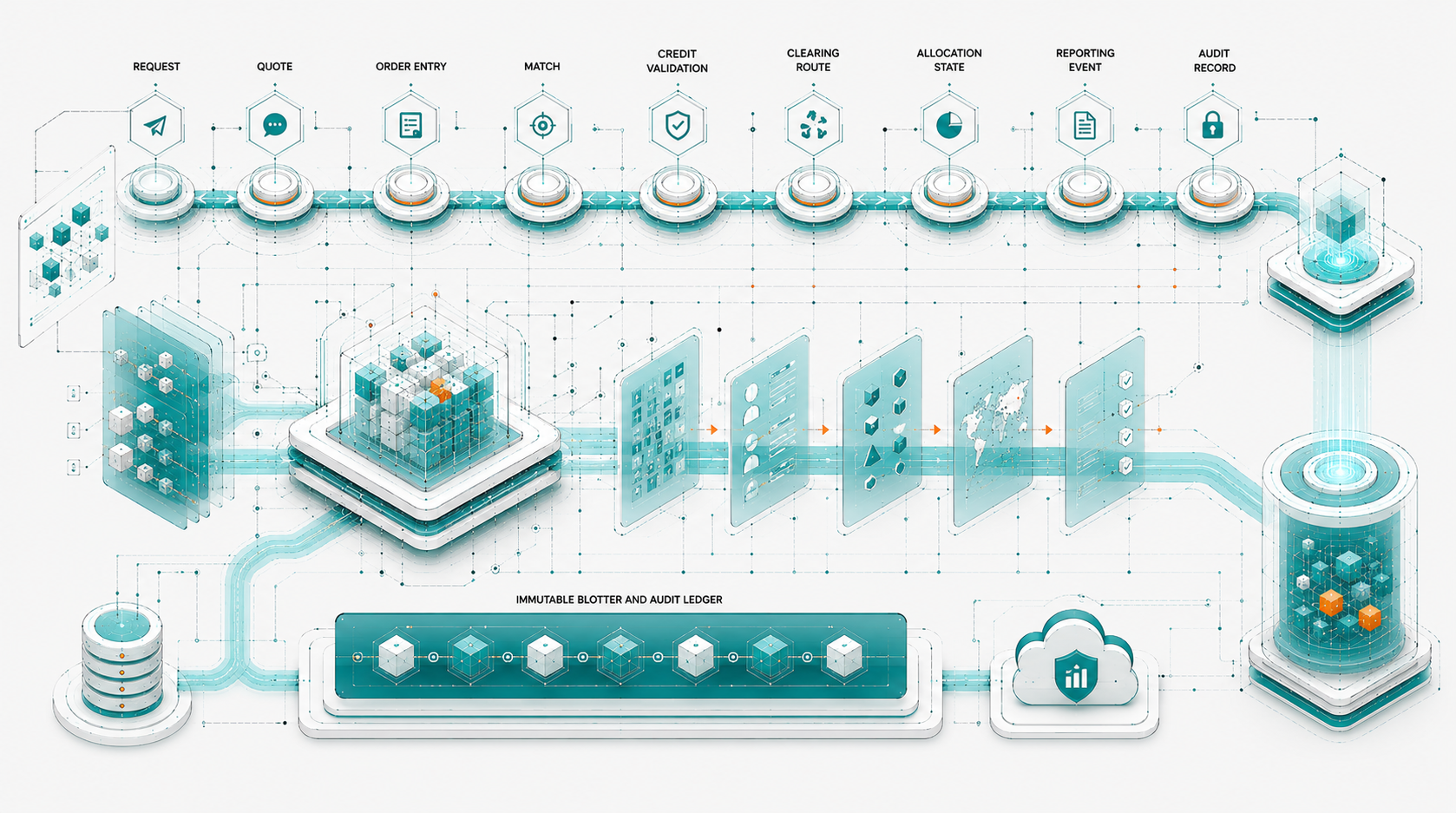
Automated SDR reporting on OMeT begins with execution telemetry. Each trade generates structured data across the lifecycle: request, quote, order entry, match, credit validation, clearing route, allocation state, reporting event, and audit record. OMeT’s internal planning materials describe the Waterfall as an immutable blotter and audit ledger that records every atomic step of the execution lifecycle, providing data provenance for trade dispute resolution and CFTC reporting.
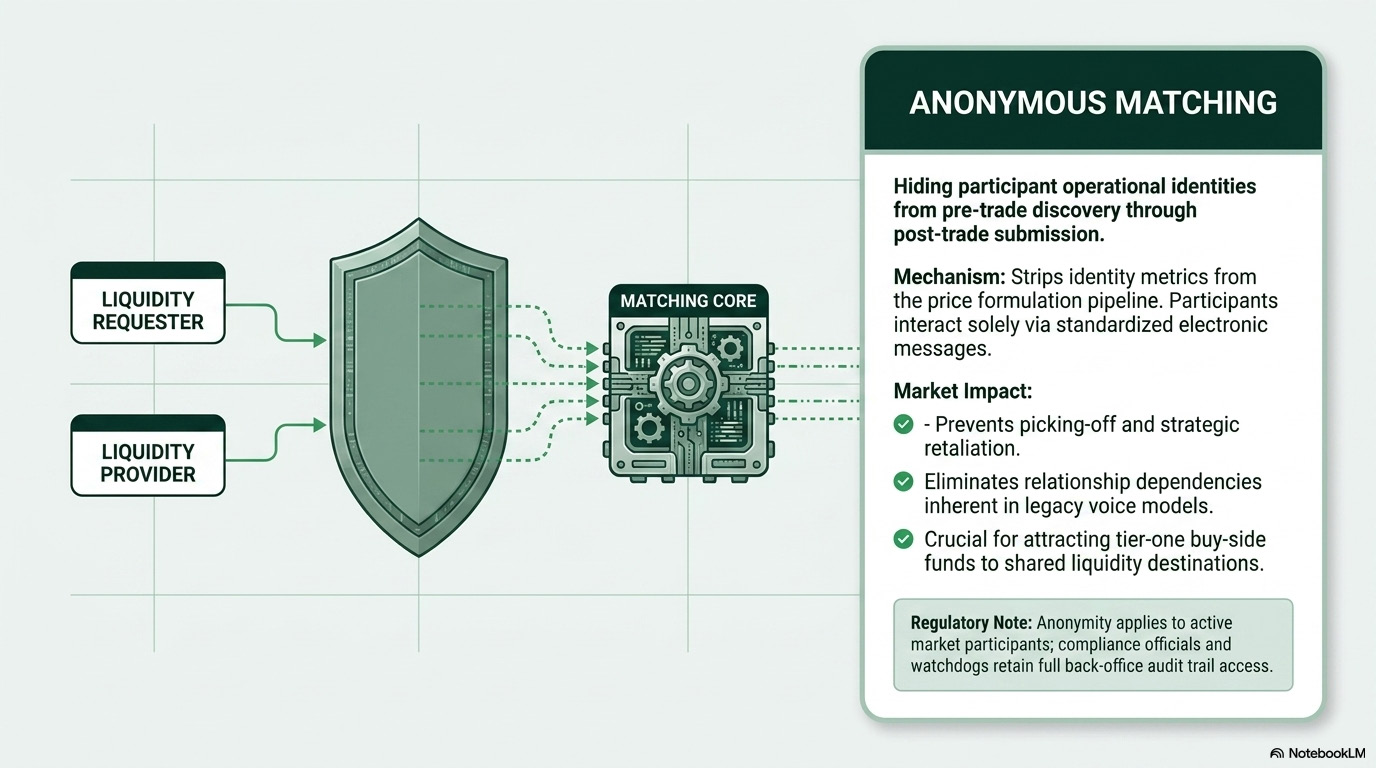
The pipeline logic is to convert those workflow events into regulator-ready reporting fields without forcing operations teams to reconstruct the trade manually. Under CFTC reporting expectations, cleared swap data must be organized for Swap Data Repository ingestion, including economic terms, counterparties or masked identifiers where applicable, execution timestamp, product taxonomy, clearing venue, notional, price, and lifecycle event type. OMeT’s internal roadmap explicitly identifies SDR reporting as a core compliance question for SEF requirements and links it to clearing workflow infrastructure.
The technical challenge is normalization. Execution telemetry originates from multiple platform states, but the SDR schema requires a clean, consistent record. OMeT’s data pipeline therefore has to map engine events into reporting objects: static instrument data, participant identifiers, clearing-account configuration, event timestamps, price and size fields, and status changes. Internal compliance automation materials also reference CFTC technical specifications for SDR reporting under Parts 43 and 45, reinforcing that the reporting layer must be schema-aware rather than merely a generic export.
The result is a straight-through regulatory data path. Instead of treating SDR reporting as a separate post-trade task, OMeT can derive the required reporting payload from the same immutable transaction record used for audit, reconciliation, and operational review. That creates a cleaner compliance posture: fewer manual transformations, stronger data provenance, and a clearer link between what happened in the matching engine and what is ultimately submitted to the SDR under CFTC rules.