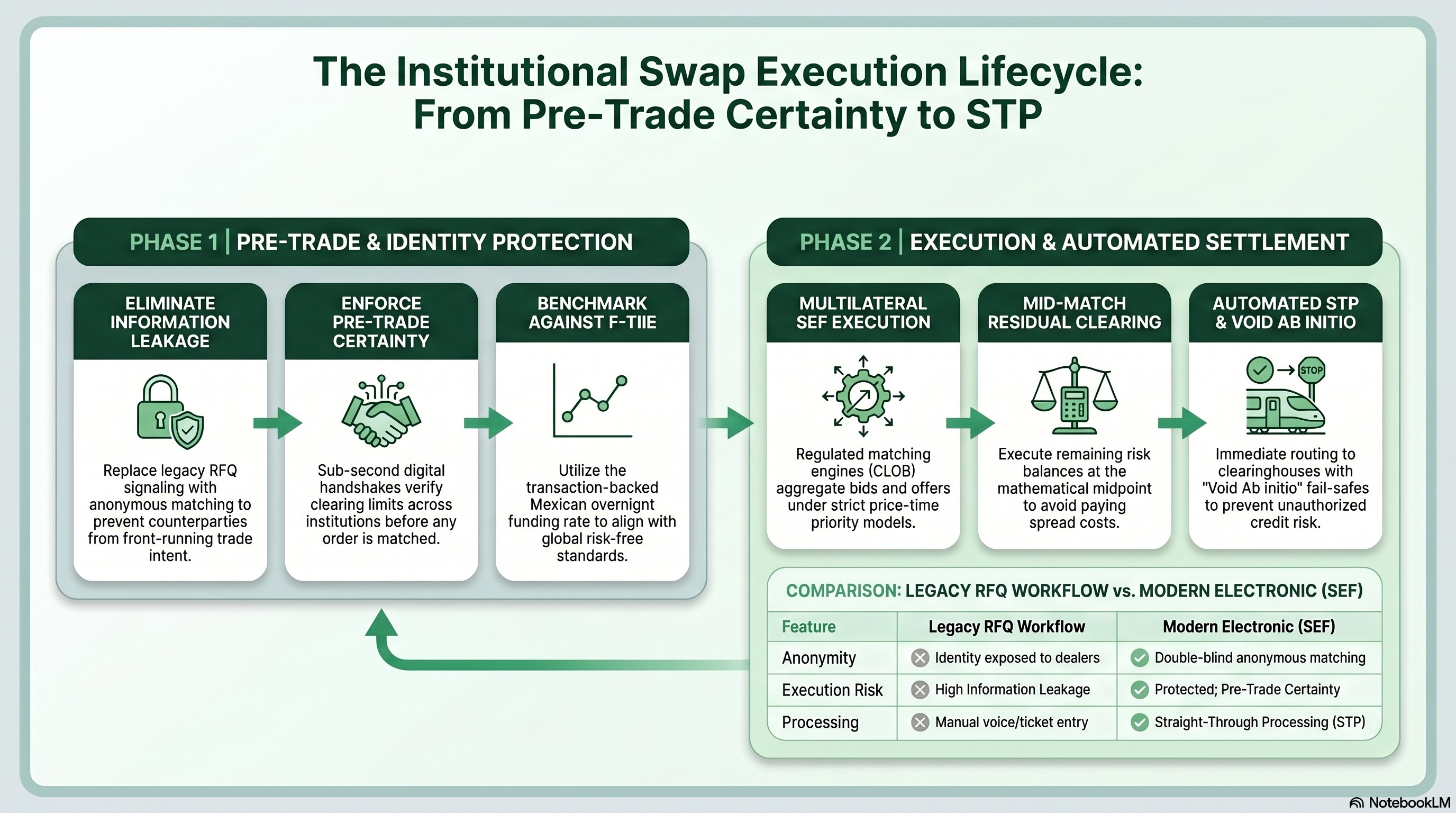
When a lit order book becomes inactive, the remaining risk does not disappear. Residual balances, odd-lot quantities, and non-standard block fragments can remain exposed after the visible market stops improving. In a traditional workflow, those balances may require manual follow-up, additional broker intervention, or separate negotiation, creating execution gaps precisely when the market has already shown signs of exhaustion.
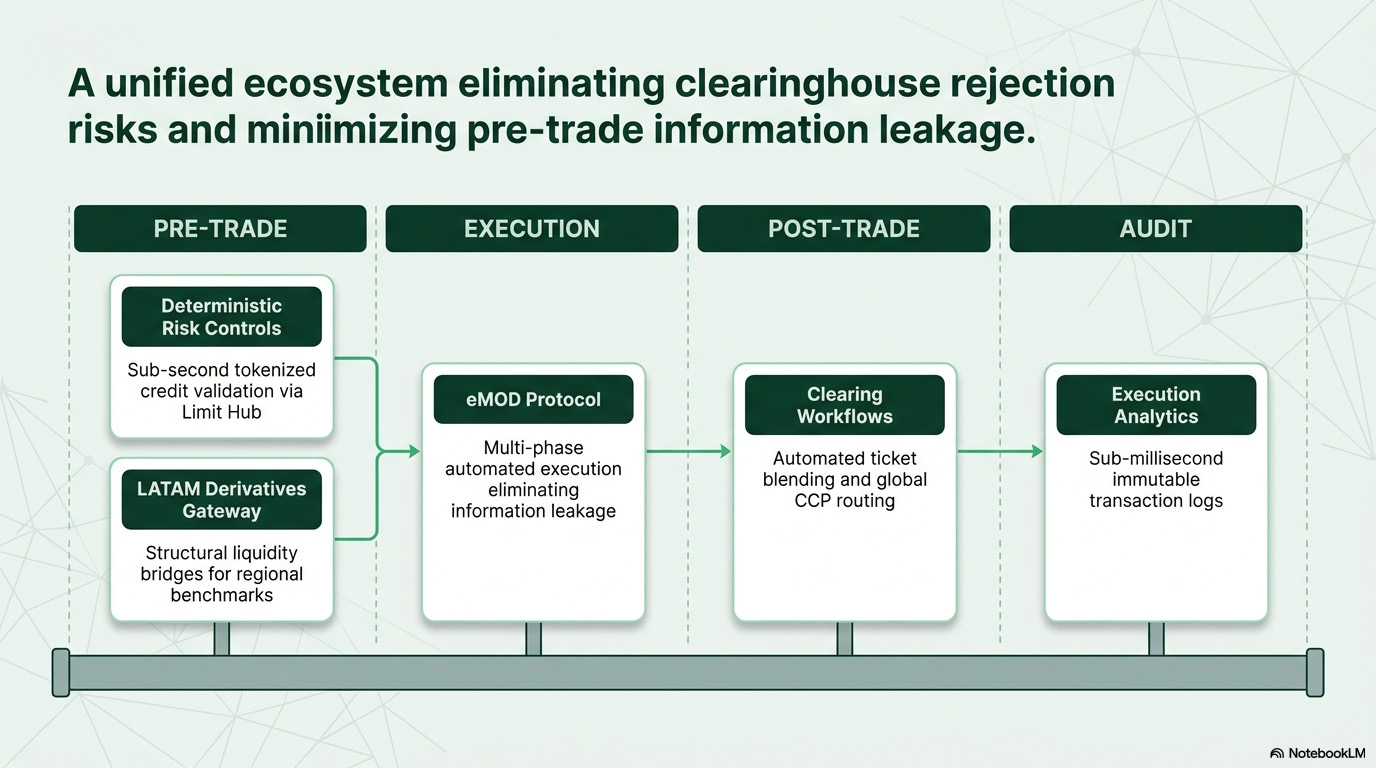
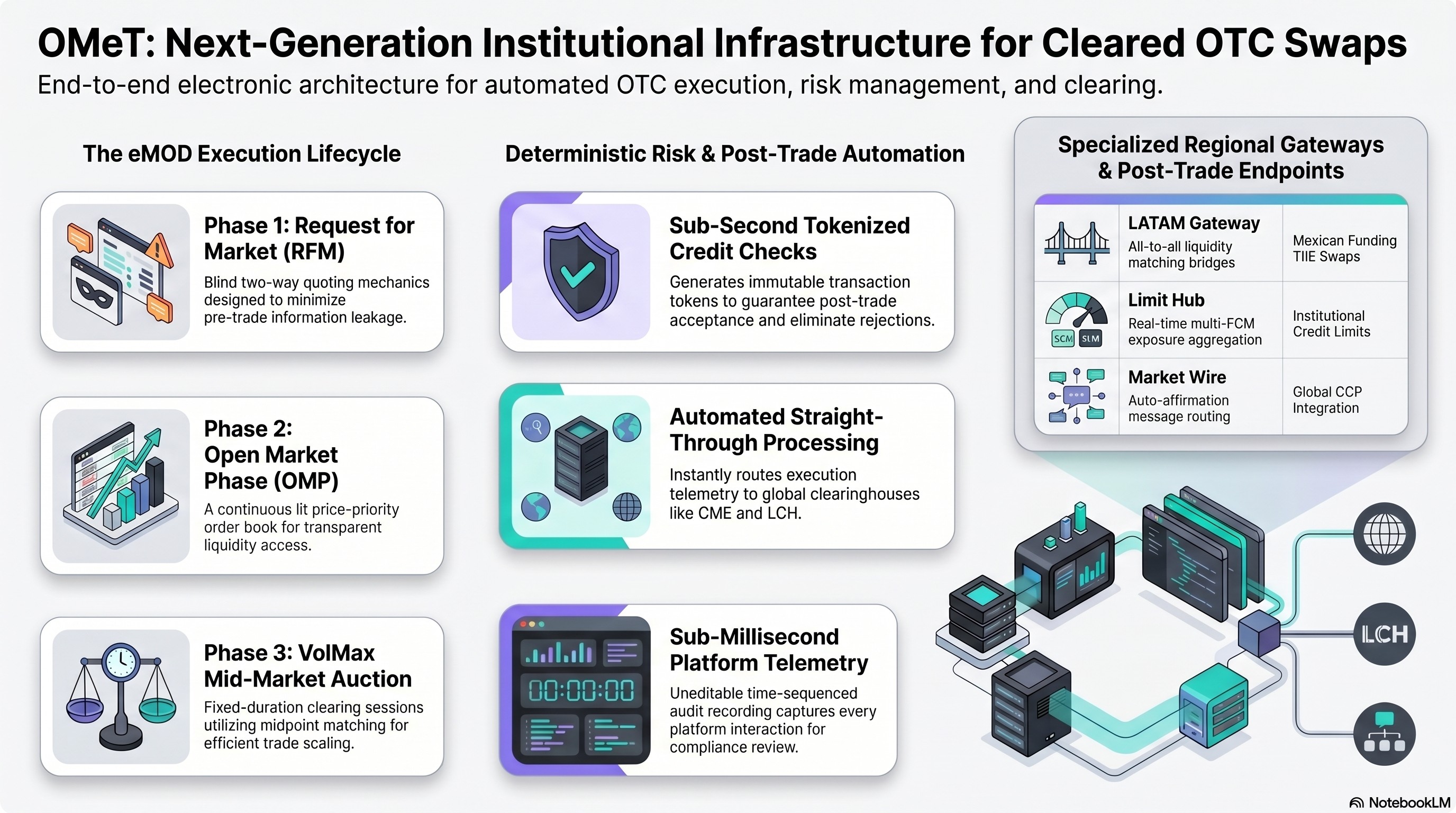
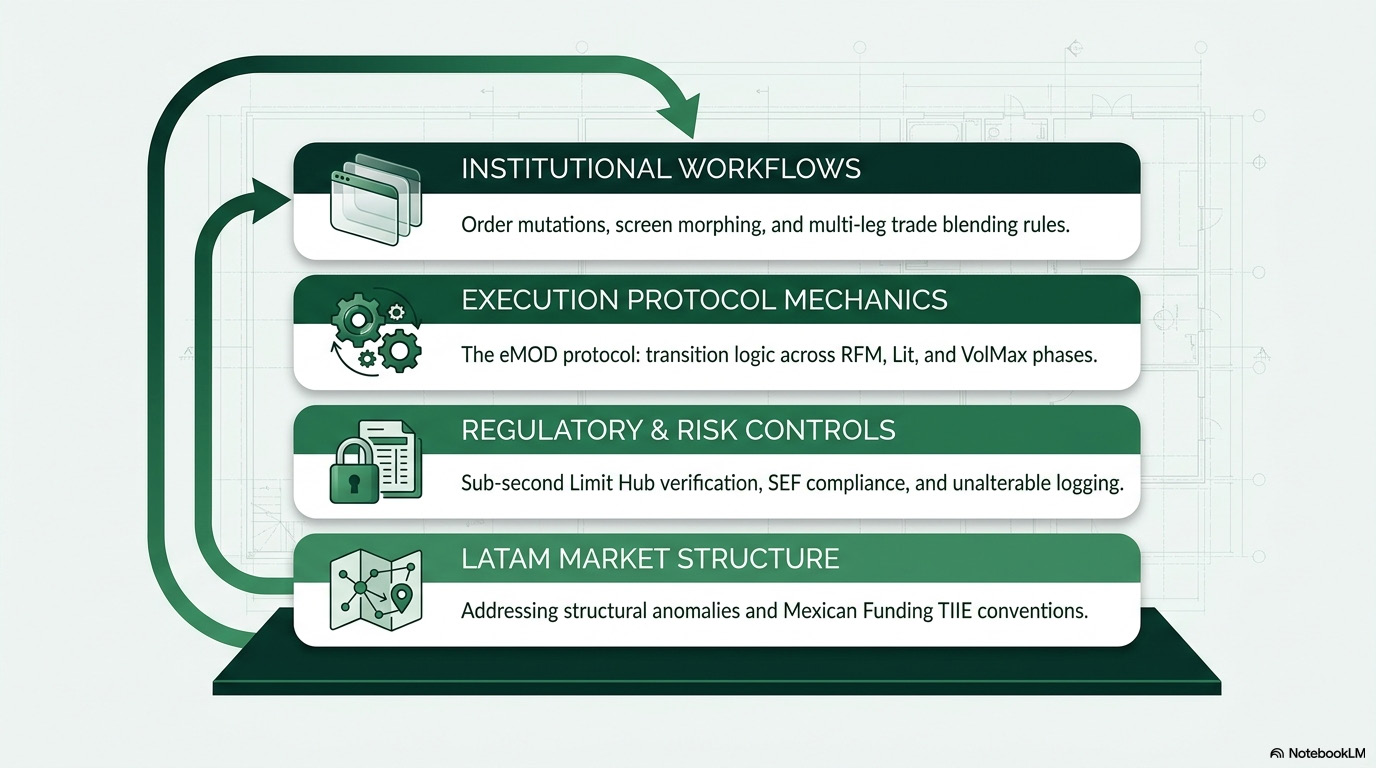
OMeT’s OVM / Open Volume Matching phase is designed for that end-of-session bottleneck. Internal OMeT materials describe OVM as the third and final stage of the trading protocol, triggered when the Open Market Phase becomes stale with no further bid improvement, offer improvement, or trading activity. At that point, the system calculates a midpoint from the last valid two-way OMP market and gives participants a final opportunity to match remaining volume at that predetermined mid price.
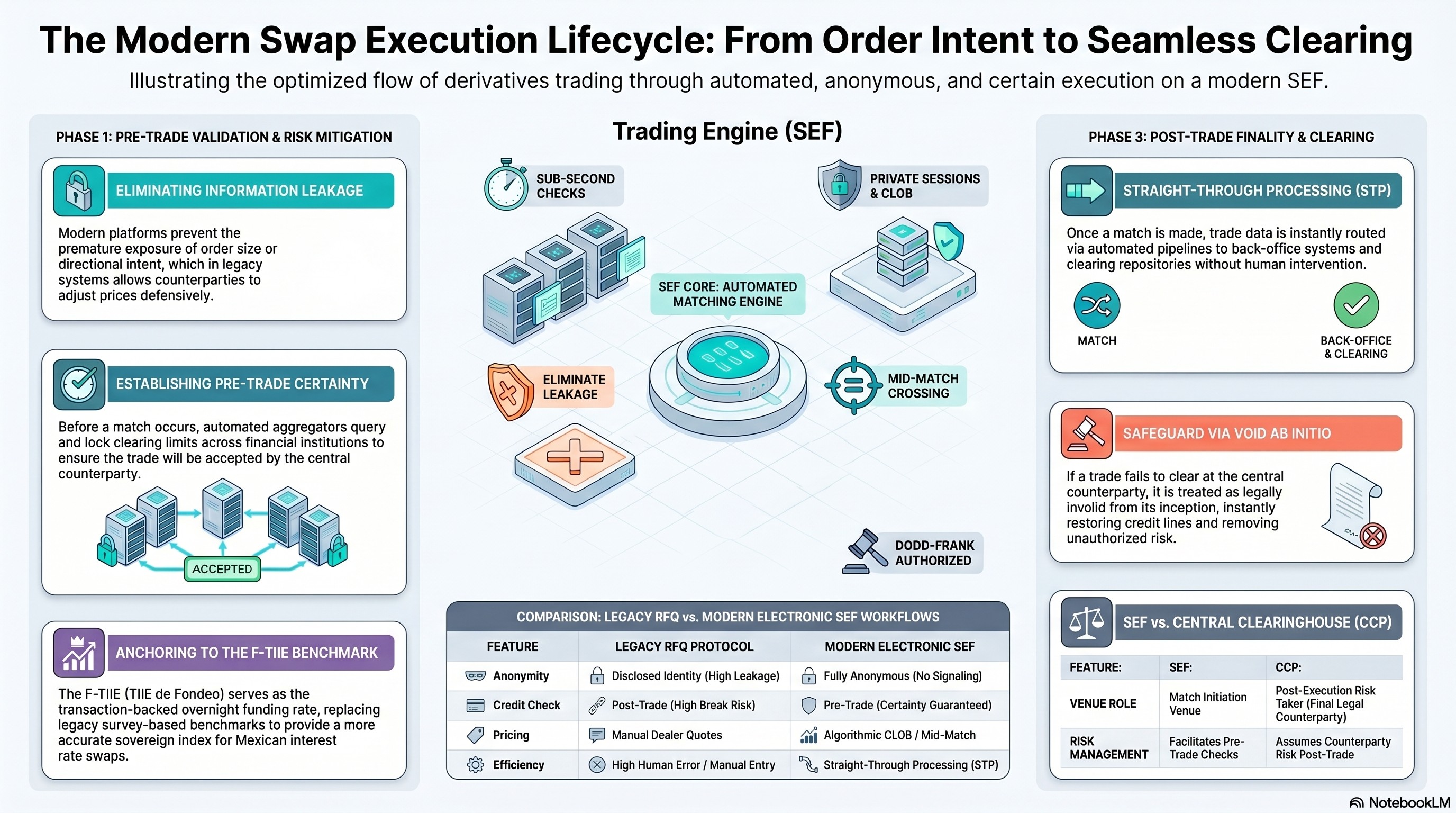
The value of this design is that residual execution becomes rules-based rather than conversational. Participants do not need to reveal their full remaining balance to the market or chase liquidity manually after the book has gone inactive. Instead, eligible platform participants can submit interest into a blind midpoint process, where the crossing logic determines how much remaining volume can be paired without reopening visible price competition. Internal materials describe VolMax as an automated midpoint auction built specifically to clear residual liquidity.
For institutional traders, VolMax turns market staleness into a controlled completion mechanism. The midpoint is not arbitrary; it is derived from the last valid two-way market, and internal platform documentation notes that OVM depends on a valid bid and offer because a midpoint cannot be calculated from a one-sided market. The result is a cleaner final phase for odd lots and unfinished block balances: less market impact, fewer manual clean-up trades, and a more deterministic close to the execution session.