Information leakage is often confused with post-trade transparency rules, such as SDR public tickers. While post-trade reporting is mandated by law after execution, information leakage happens entirely in the pre-trade phase, causing real execution damage before a position can clear.
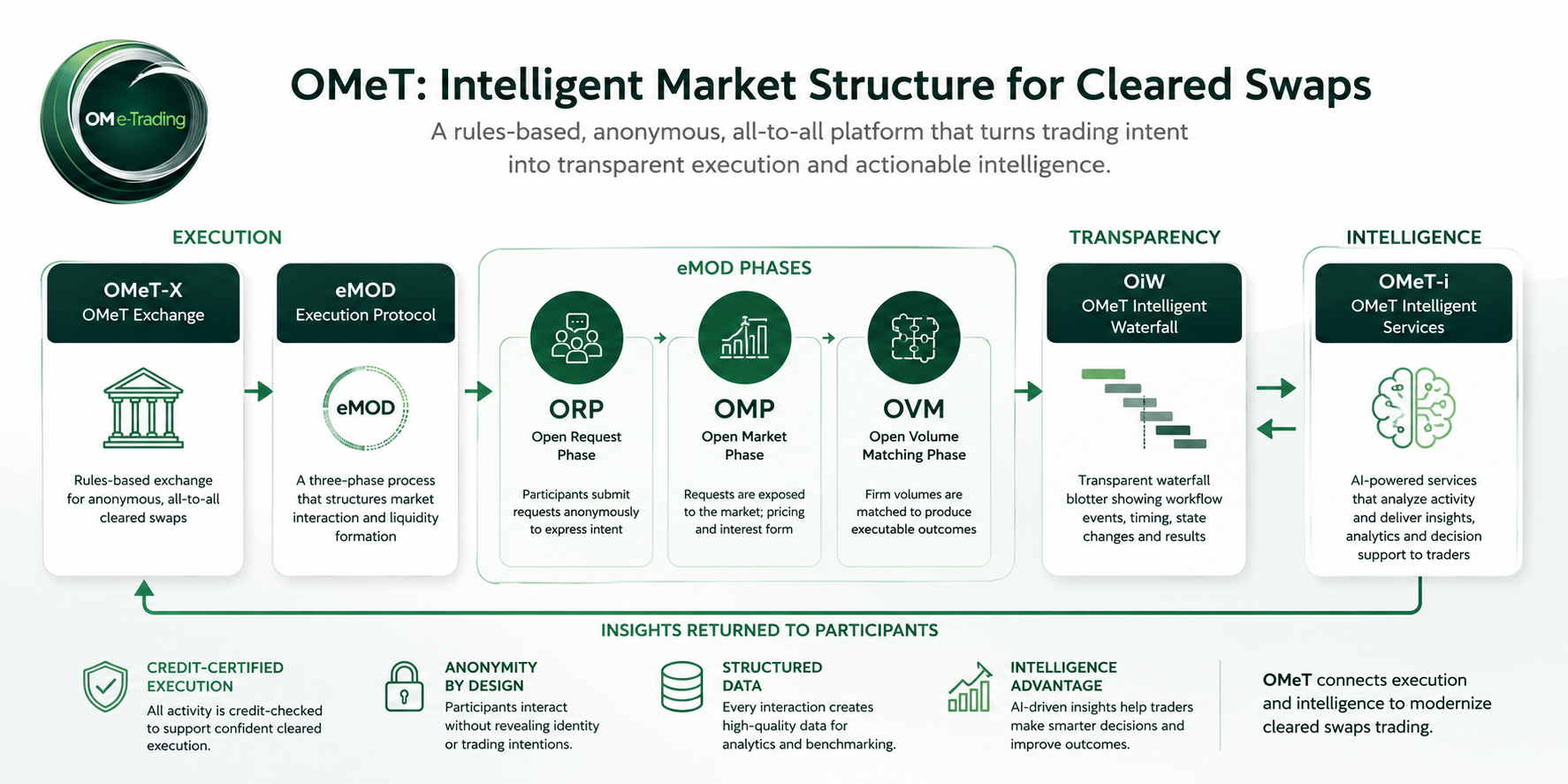
The asset manager utilized an anonymous protocol to execute a five-billion-peso swap without triggering information leakage.
Information leakage is a systemic inefficiency prevalent across legacy Over-the-Counter (OTC) derivatives venues. When institutional managers look to rebalance large risk sheets via voice brokers or standard RFQ messages, their identity and directional goals are frequently exposed to an array of market makers. This transparency fragments execution efficiency before a trade can be finalized.
Minimizing information leakage is central to preserving institutional portfolio returns in the cleared swap landscape. By providing total anonymity and standardizing initial phase sizes, platforms can eliminate pre-trade visibility. This enables buy-side funds to transfer substantial positions without triggering adverse movement from liquidity providers.